From Walk to Gallop – How to Improve Your Riding Technique Step by Step

From Walk to Gallop – How to Improve Your Riding Technique Step by Step
Riding is about far more than simply sitting on a horse. It’s a partnership built on balance, timing, and communication. Whether you’re a beginner or have been riding for years, there’s always room to refine your technique. Here’s a step-by-step guide to help you develop your riding skills—from your first walk to a confident, controlled gallop.
Start with the Basics – Posture and Balance
A solid riding technique begins with a balanced and relaxed position. Your body is your horse’s main form of communication, and even small shifts in weight or tension can send strong signals.
- Sit tall but relaxed – keep your back straight, shoulders down, and eyes looking ahead.
- Find your balance – move with your horse’s motion rather than against it.
- Legs and heels – keep your legs close to your horse’s sides without gripping, and let your heels drop slightly downward.
A great exercise is to ride at a walk without stirrups. It strengthens your core and helps you feel your horse’s movement more clearly.
The Walk – The Foundation of All Riding
The walk may be the slowest gait, but it’s where you build the foundation for everything else. It gives you time to focus on rhythm, contact, and communication.
- Maintain steady rein contact – not too tight, but enough to feel your horse’s mouth.
- Use your seat – follow the horse’s motion with your hips so you ride with your body, not just your hands.
- Practice transitions – move between walk and halt frequently to teach your horse to respond to subtle cues.
Once you master the walk, you’ll find it easier to control the faster gaits.
The Trot – Finding the Rhythm
The trot can be challenging for beginners because of its bouncy motion. The key is to find the rhythm and let your body move naturally with your horse.
- Post the trot – rise slightly out of the saddle every other stride. This lightens the load on your horse’s back and helps you find the rhythm.
- Keep your upper body steady – avoid leaning too far forward or backward.
- Work on transitions between walk and trot – this improves your timing and your horse’s responsiveness.
As you gain confidence, try sitting trot to strengthen your balance and core muscles.
Læs også:
The Canter – Control and Confidence
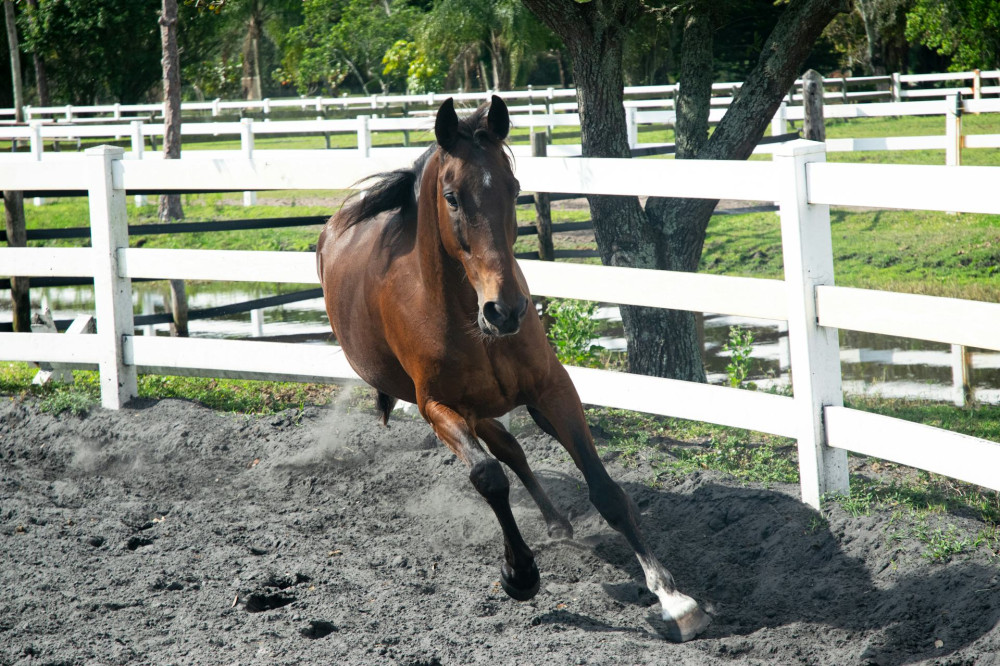
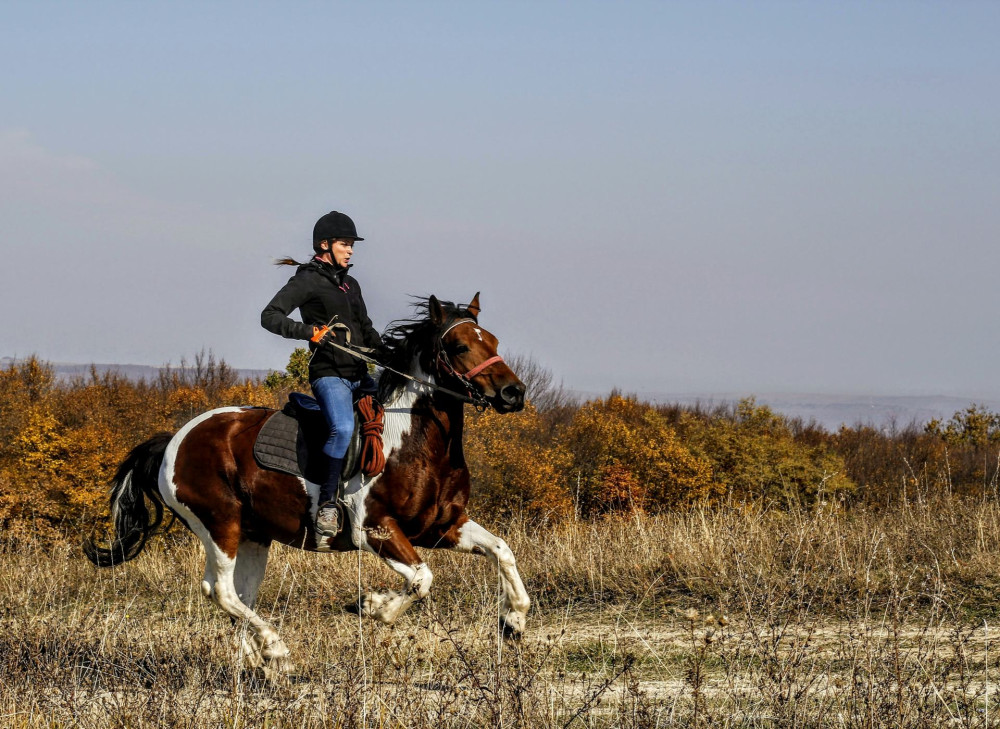
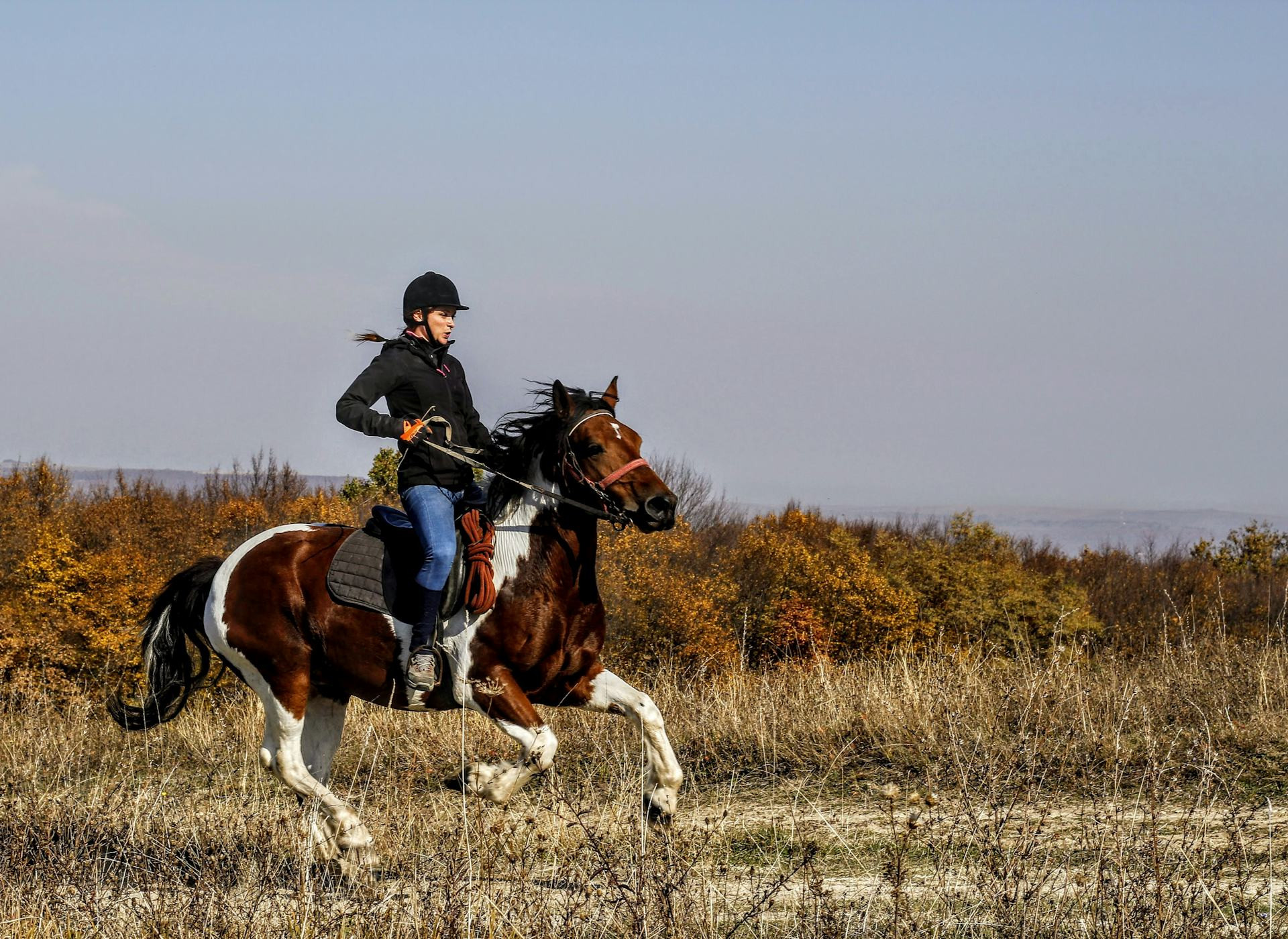
The canter (or gallop, for more advanced riders) is the most dynamic gait and requires both trust and control. Here, you must rely on your balance and your connection with your horse.
- Prepare for the transition – collect your horse slightly in the trot, then cue with your inside leg and seat.
- Follow the motion – let your hips move with the horse’s rhythm while keeping your upper body stable.
- Look ahead – focus on where you want to go, and avoid pulling on the reins to slow down.
Start with short canter stretches and gradually work on maintaining a steady, balanced pace.
Fine-Tune Your Technique with Exercises
Once you’re comfortable in all three gaits, you can begin refining your technique with targeted exercises that improve precision and communication.
- Circles and serpentines – enhance steering and suppleness.
- Transitions between gaits – make your horse more responsive and improve your timing.
- Backing up – strengthens your horse’s hindquarters and helps you use your seat effectively.
Short, consistent practice sessions are more effective than long, exhausting ones. Always reward your horse for correct responses—positive reinforcement builds trust and motivation.
Mental Calm and Patience
Riding isn’t just about physical skill—it’s also about patience and trust. Horses are sensitive animals and can easily pick up on frustration or tension. Stay calm, consistent, and kind.
If you’re struggling with a particular aspect of your riding, seek help from a qualified instructor. A professional can spot small issues in your posture or timing that you might not notice yourself.
From Walk to Gallop – A Journey of Partnership
Improving your riding technique is a lifelong process. Every time you get in the saddle, you learn something new—about your balance, your communication, and your horse. With patience, practice, and respect for your equine partner, you can progress from your first walk to a smooth, harmonious gallop where horse and rider move as one.
Læs også: