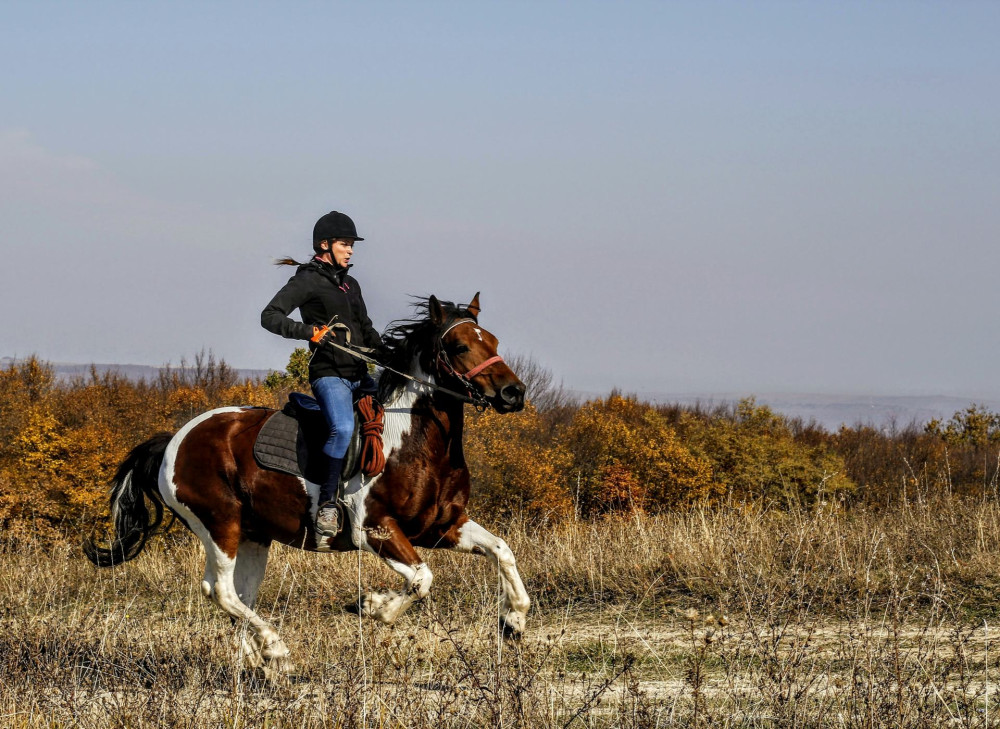
Confidence in the Saddle: How to Help Your Horse Adjust to New Environments

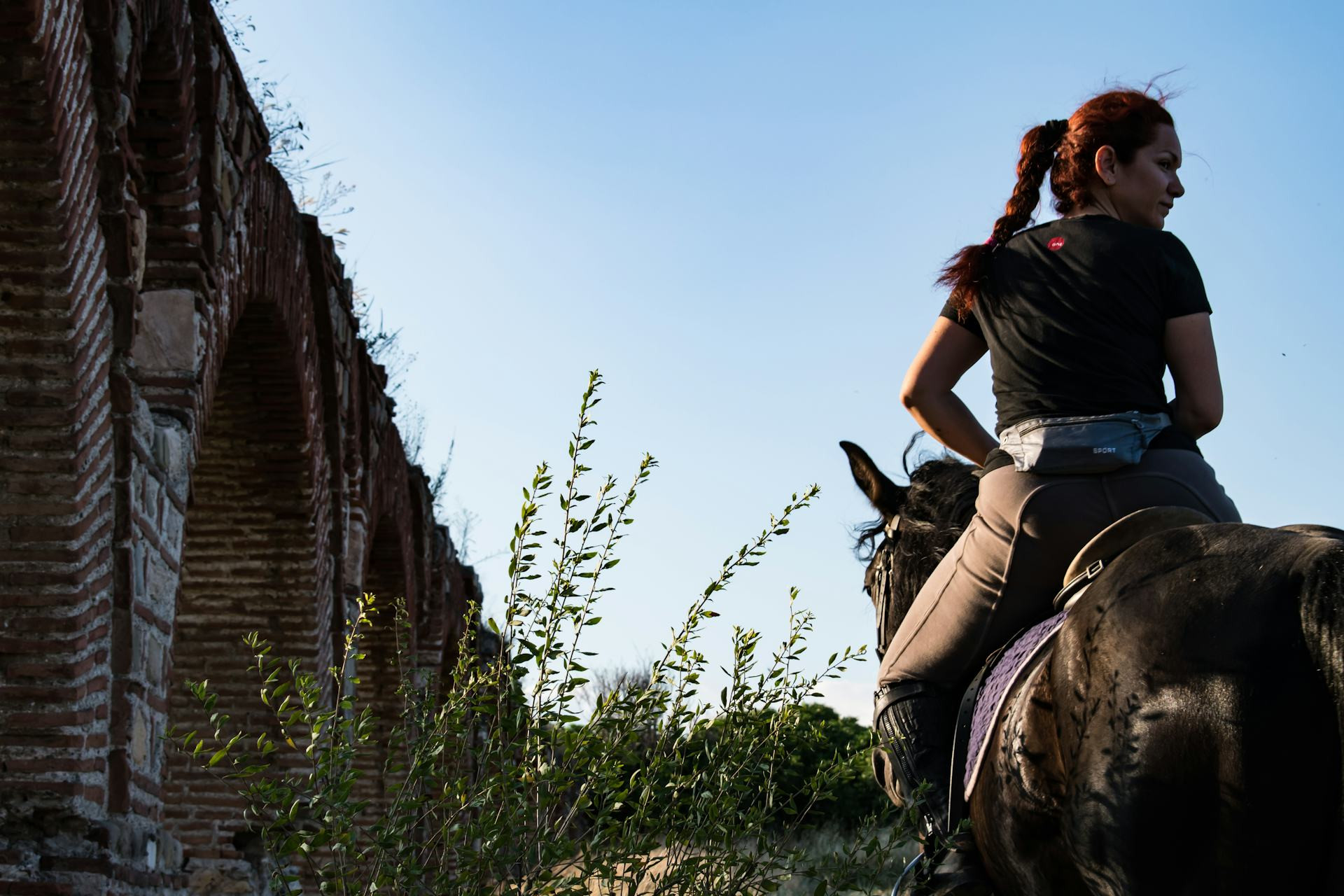
Confidence in the Saddle: How to Help Your Horse Adjust to New Environments
Taking your horse into new surroundings can be both exciting and challenging. For your horse, it means unfamiliar sights, sounds, and smells. For you, it requires patience, understanding, and preparation. Whether you’re heading to a show, exploring a new trail, or hauling to a clinic, helping your horse feel confident in unfamiliar settings is key to a safe and positive experience. Here’s how to make that transition smoother for both of you.
Understand Your Horse’s Nature
Horses are prey animals, hardwired to notice and react to anything unfamiliar. A flapping banner, a barking dog, or even a new type of footing can trigger a startle response. When you take your horse out of its familiar environment, you’re asking it to override those natural instincts.
Recognize that your horse isn’t being “difficult” when it spooks or hesitates—it’s responding to a perceived threat. Learn to read your horse’s body language: tense muscles, a raised head, or quick breathing are signs of anxiety. The sooner you notice these signals, the sooner you can help your horse relax.
Start Small and Build Gradually
If your horse isn’t used to traveling or visiting new places, start close to home. Hand-walk around the property, then gradually expand the route. Let your horse stop, look, and sniff. Reward curiosity and calm behavior with praise or a gentle pat.
When you begin riding in new places, consider going with a calm, experienced horse. Horses take comfort from herd mates, and a steady companion can make a big difference in how your horse handles new experiences.
Create Familiarity in the Unknown
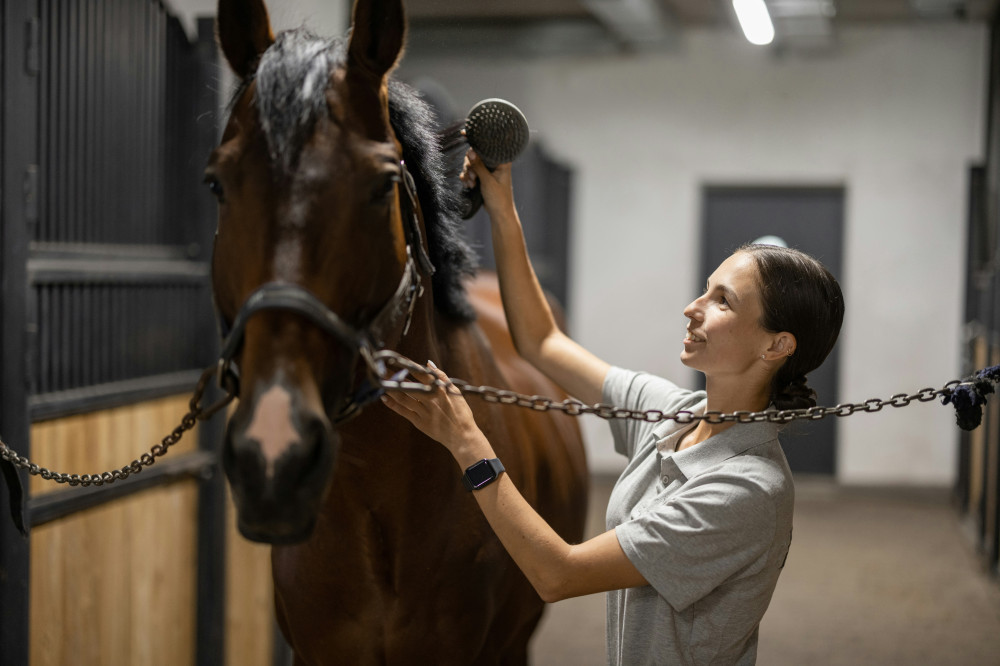
Small touches of familiarity can help your horse feel secure. Use the same tack and grooming tools you use at home, and make sure everything fits comfortably. If you’re hauling to a show or trailhead, bring along a water bucket, hay net, or blanket that smells like home.
When you arrive somewhere new, give your horse time to look around before mounting. Walk together on a loose lead, allowing your horse to take in the sights and sounds. This helps it process the environment and settle down before you ask for more.
Your Calm Is Contagious
Horses are incredibly sensitive to our emotions and body language. If you tense up, your horse will likely do the same. Stay relaxed, breathe deeply, and speak in a calm, steady tone. Avoid sudden movements or frustration.
Remember, you are your horse’s source of reassurance. When you project confidence and patience, your horse learns that it can trust you—even when the world around it feels uncertain.
Practice Real-Life Scenarios
You can prepare your horse at home for what it might encounter elsewhere. Try:
- Leading past tarps, cones, or bicycles to build confidence around new objects.
- Playing recordings of traffic, applause, or music at low volume during grooming or groundwork.
- Tying your horse in a new area for short periods so it learns to relax away from its stall or paddock.
The more positive experiences your horse has, the more adaptable and resilient it becomes.
Læs også:
End on a Positive Note
Always finish your session or outing on a good moment—when your horse is calm or has successfully handled a challenge. Offer praise, a treat, or a break. Ending on a positive note reinforces confidence and makes the next outing easier.
If something doesn’t go as planned, take a step back in your training. Progress is built on small, consistent successes, not on pushing too fast.
Confidence Takes Time—but It’s Worth It
Helping your horse feel comfortable in new environments is a gradual process, but it pays off. A confident horse is safer, more willing, and more enjoyable to ride—no matter where you go.
By guiding your horse with patience, consistency, and calm leadership, you’re not just building its confidence—you’re strengthening the trust and partnership that make every ride a rewarding experience.
Læs også: