Dressage with Ease: Training for Precision and Harmony Between Horse and Rider

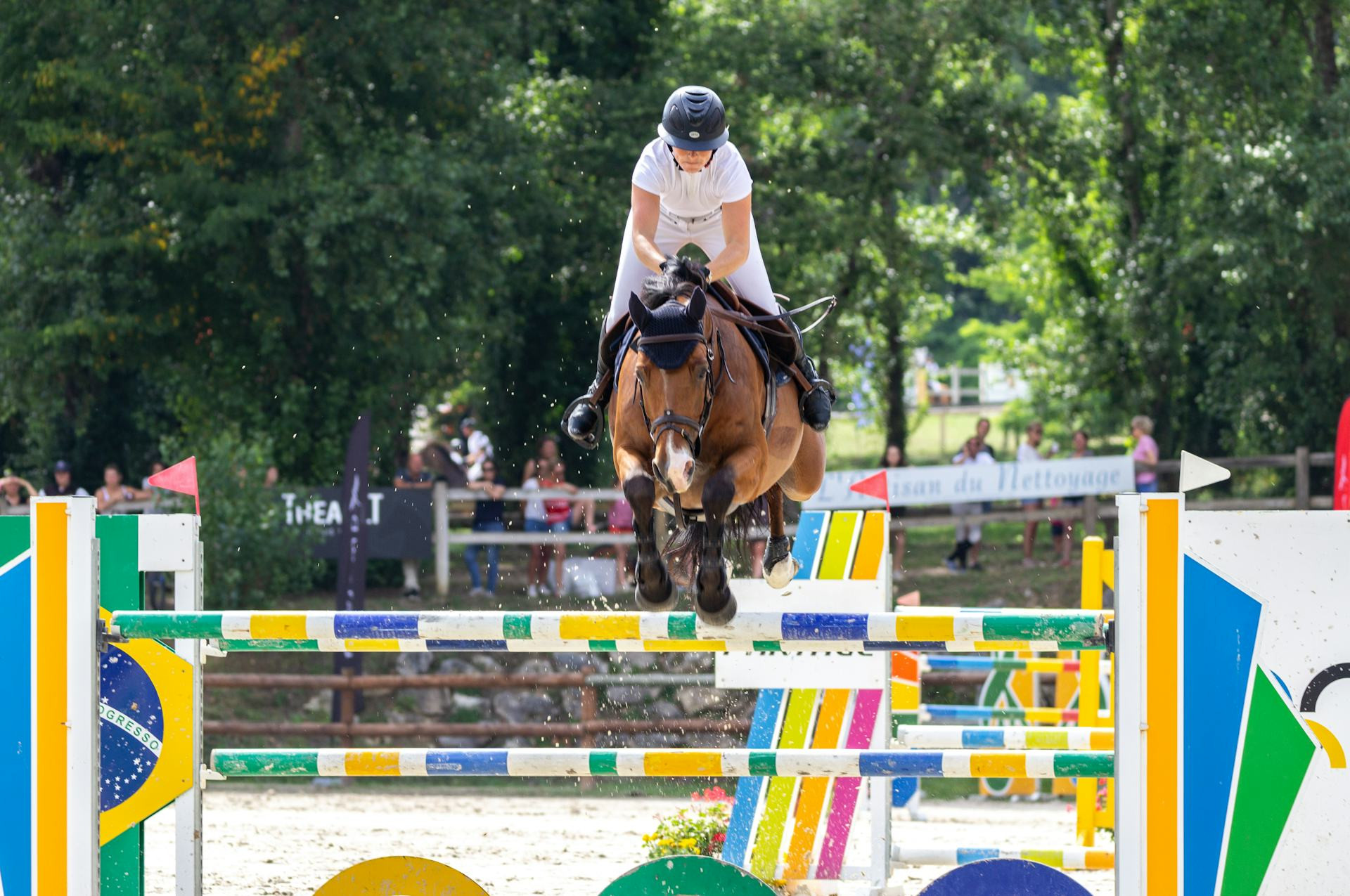
Dressage with Ease: Training for Precision and Harmony Between Horse and Rider
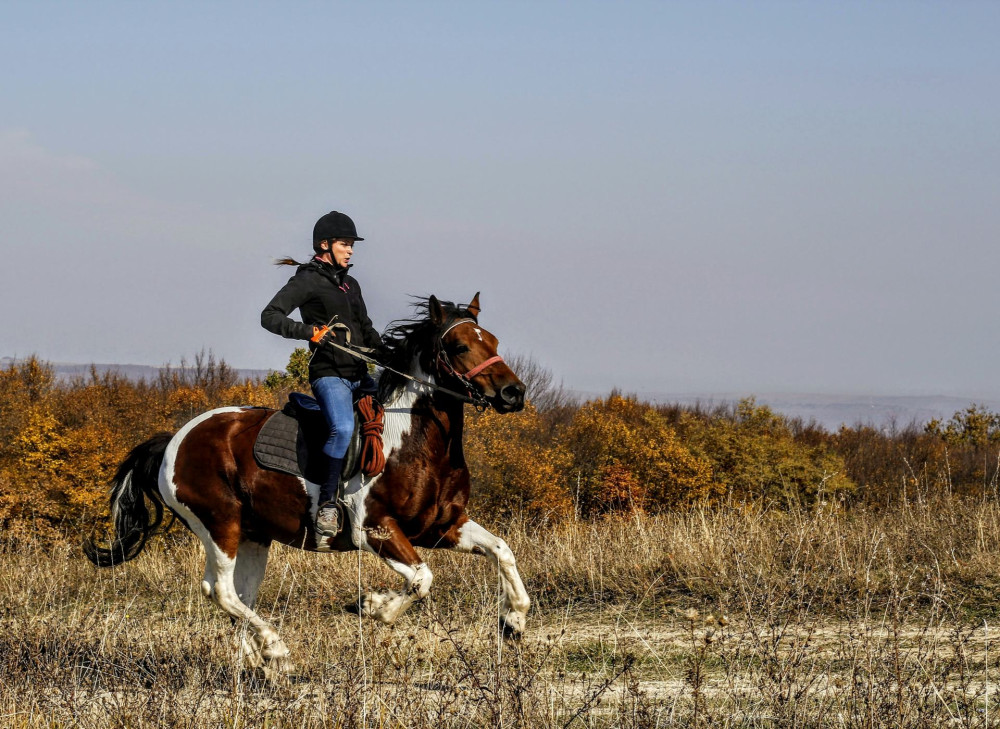
Dressage is often called “the ballet of the horse” – a discipline where precision, balance, and partnership come together in graceful harmony. Behind the elegance of each movement lies hours of patient training, understanding, and communication between horse and rider. Riding dressage with ease is not just about technique; it’s about creating a connection so seamless that even the most complex exercises appear effortless.
Building the Foundation: Trust and Communication
Every successful dressage partnership begins on the ground. Before a rider ever mounts, trust must be established. The horse needs to feel safe, understand the cues, and have confidence that the rider will lead with calm consistency.
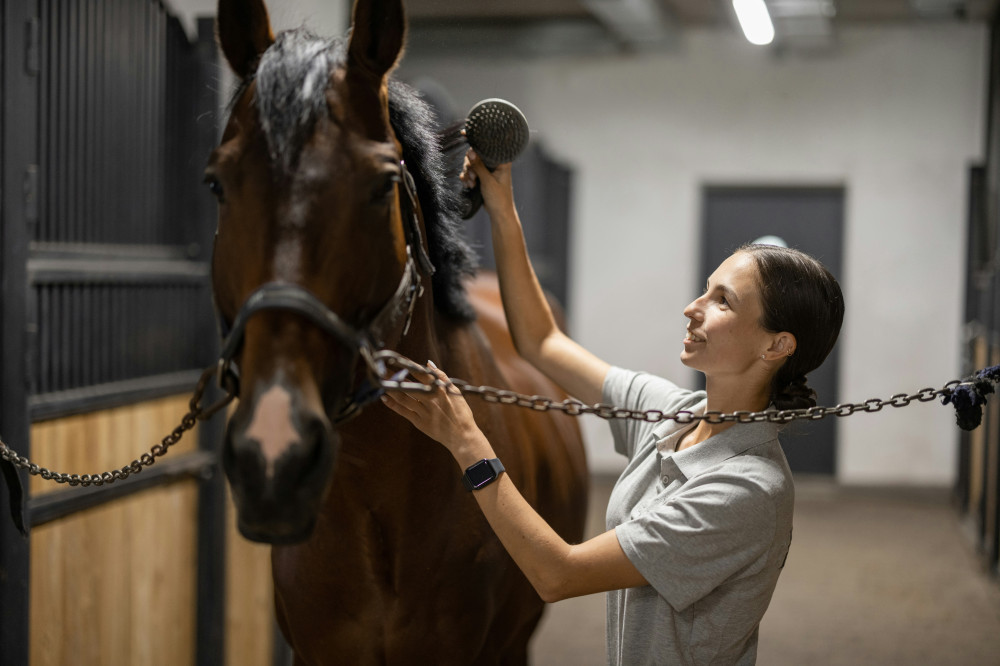
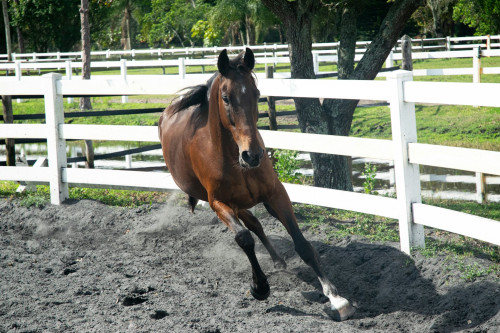
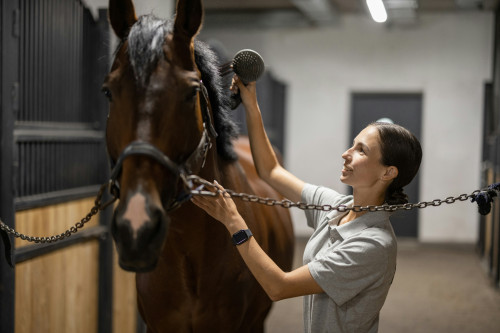
Groundwork – such as lunging, in-hand exercises, and simple maneuvers in a halter or bridle – plays a vital role in this process. It teaches the horse to respond to subtle signals and move in balance. For the rider, it’s an opportunity to read the horse’s body language and adjust their own energy accordingly.
When communication is clear on the ground, the transition to riding becomes much smoother. The horse understands the rider’s intentions, and the rider learns to feel and respond to the horse’s smallest reactions.
The Rider’s Balance and Influence
Dressage depends heavily on the rider’s ability to sit in balance and give precise, nearly invisible aids. A rider who is off-balance can disrupt the horse’s movement, while a balanced rider allows the horse to move freely and fluidly.
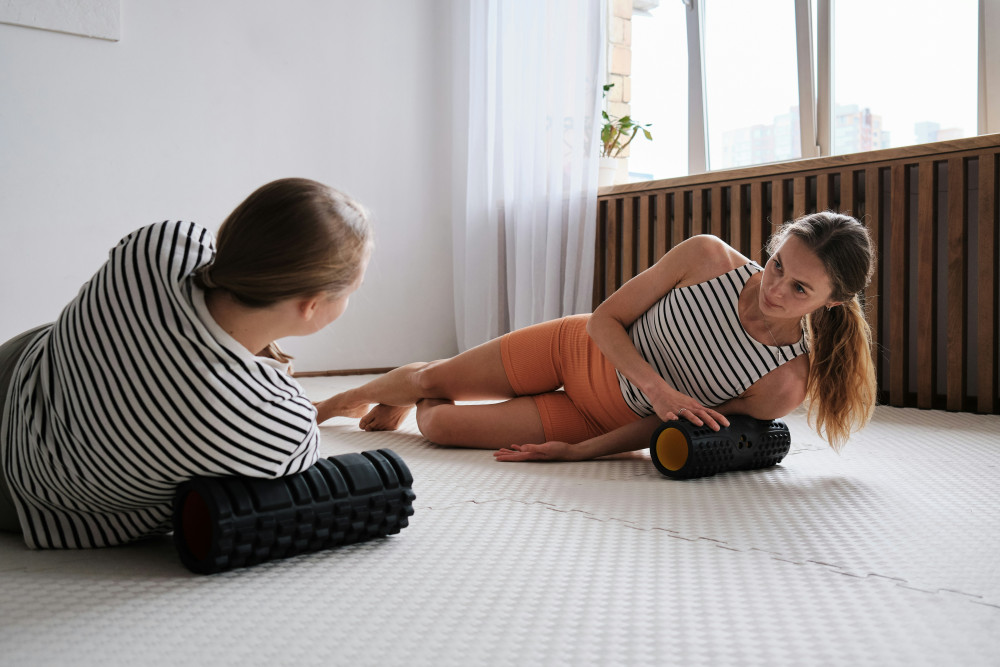
This requires body awareness and strength. Many riders complement their riding with yoga, Pilates, or core training to improve stability and posture. The more balanced the rider, the more relaxed and supple the horse can become.
Think of riding as a dance: the rider leads, but with respect for the partner. The horse should feel guided, not forced.
Læs også:
Structured and Varied Training
Even the most advanced dressage horse benefits from variety. Repetitive training can lead to both physical and mental fatigue. A well-rounded training plan combines focused dressage work with trail rides, pole exercises, and time for the horse to move freely in the pasture.
A typical week might include:
- Two days of focused dressage work, practicing specific exercises such as leg-yields, shoulder-in, or transitions.
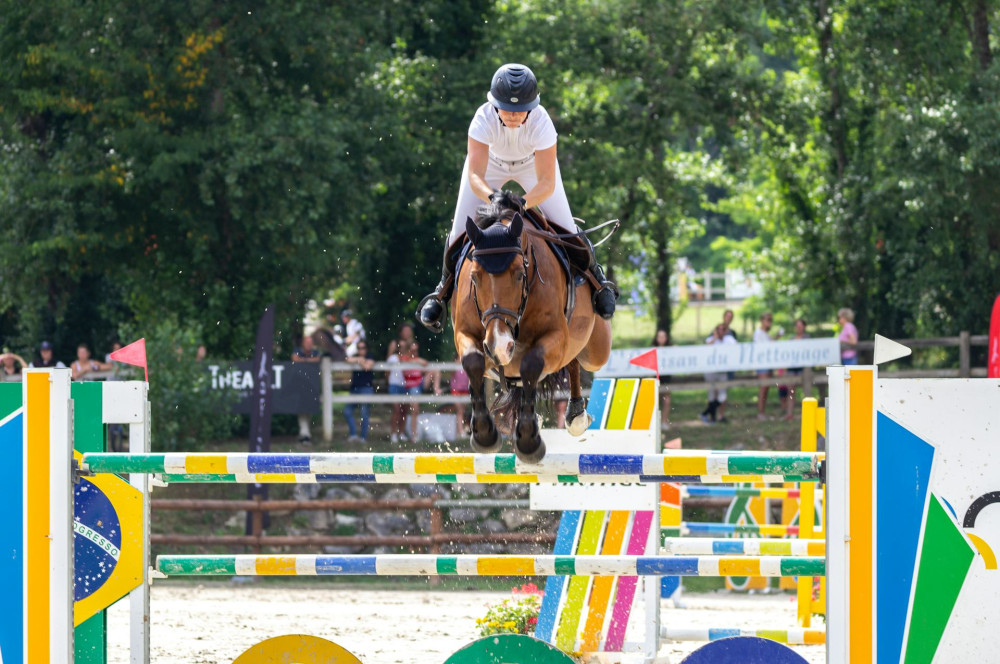
- One day of pole work or light jumping, to improve coordination and strengthen the hindquarters.
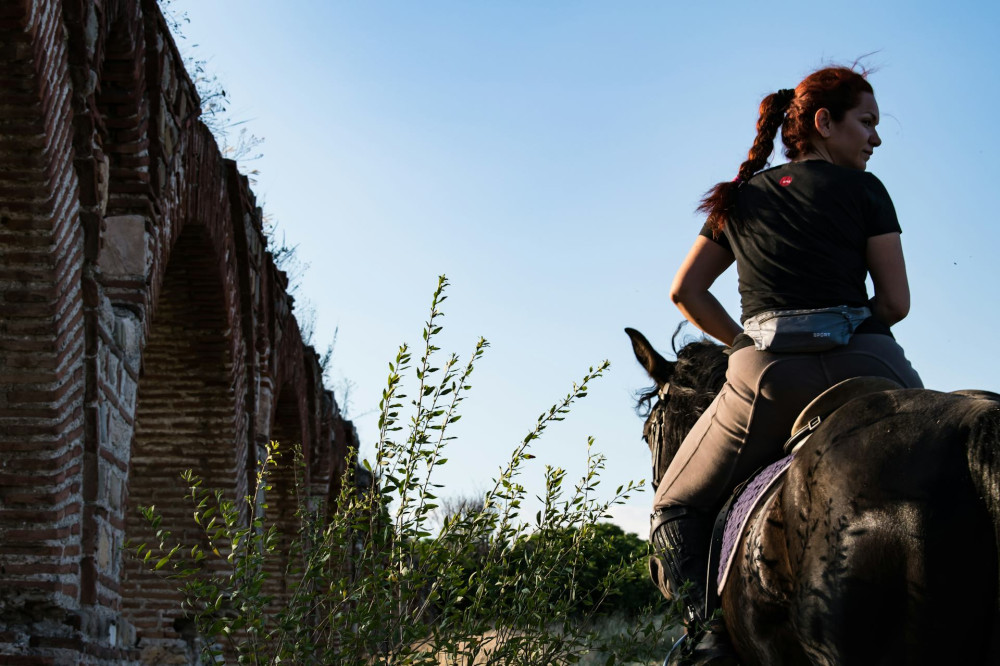
- One day of trail riding, allowing the horse to stretch, relax, and enjoy a change of scenery.
- One rest day, with turnout for mental and physical recovery.
By varying the routine, both horse and rider stay motivated, and the horse’s body develops more evenly.
From Basics to Precision
The advanced movements of dressage – piaffe, passage, flying changes – all build upon a solid foundation of basic training. Only when the horse moves in balance, responds to light aids, and carries itself correctly can the rider begin to refine the more demanding exercises.
Precision should never come at the expense of ease. A correctly executed movement should look effortless, with the horse maintaining rhythm, relaxation, and energy. If tension or resistance appears, it’s a sign to simplify the work and restore calm before progressing again.
Small, consistent improvements are far more valuable than quick results. Dressage is a journey, not a destination.
Mental Calm and Focus
Dressage requires concentration from both horse and rider. Horses mirror the rider’s mental state, so a tense or impatient rider will quickly transfer that energy to the horse. Mental calm is therefore an essential part of training.
Many riders use breathing exercises or short breaks during rides to regain focus. A soft voice, a gentle pat, or a quiet moment can do wonders for restoring connection and trust.
Riding with ease ultimately means being present – feeling the horse, responding to its signals, and finding a shared rhythm.
Harmony as the Goal
When horse and rider move as one, a special feeling emerges – what many riders describe as “flow.” It’s the moment when everything aligns: movement, rhythm, and connection. That’s when dressage becomes art – not because it’s perfect, but because it’s genuine.
Reaching that point takes time, patience, and respect for the horse’s nature. But the reward is profound: a deeper understanding, a stronger partnership, and a style of riding that looks as effortless as it feels.
Læs også: