Feed for Fitness: How to Tailor Your Horse’s Diet to Its Discipline

Feed for Fitness: How to Tailor Your Horse’s Diet to Its Discipline
A horse’s performance depends on more than training and temperament – nutrition plays a crucial role. Whether you ride dressage, show jumping, endurance, or western, your horse needs a diet that matches its workload and energy demands. The right feeding strategy can make the difference between a horse that thrives and one that struggles with fatigue, muscle loss, or digestive issues. Here’s how to tailor your horse’s diet to its discipline.
The Foundation: Forage First
No matter the discipline, forage – hay, pasture, or haylage – should always be the cornerstone of your horse’s diet. It provides essential fiber, supports gut health, and delivers steady energy. As a rule of thumb, a horse should consume at least 1.5–2% of its body weight in forage dry matter daily.
Quality matters. A nutrient-rich hay with moderate sugar levels suits horses in moderate to heavy work, while a more fibrous, lower-energy hay is ideal for horses in light work or maintenance. Having your hay analyzed is a smart move – it helps you balance the diet accurately with concentrates or supplements.
The Dressage Horse – Building Strength and Calm Energy
Dressage horses rely on precision, balance, and controlled power. They need slow-release energy sources that promote focus and calmness rather than excitability. Fiber and fat are excellent energy providers, while excessive starch can make some horses tense or distracted.
A feed with moderate energy, added oil, and digestible fiber sources such as beet pulp or alfalfa works well. Protein quality is key – amino acids like lysine support muscle development. Don’t forget antioxidants like vitamin E and selenium, which aid muscle recovery and reduce oxidative stress.
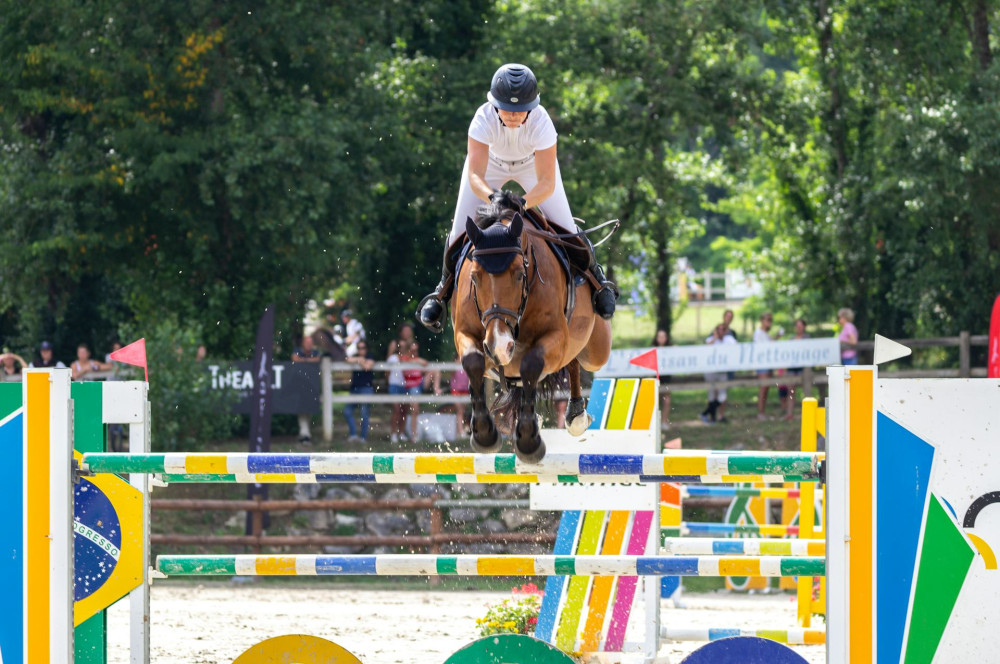
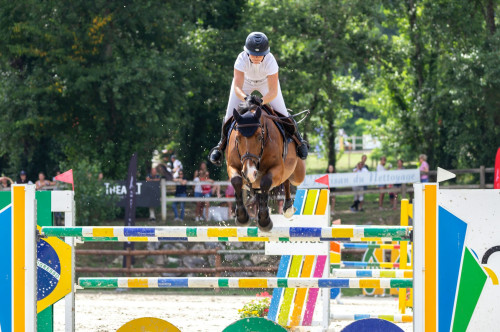
The Show Jumper – Quick Energy and Fast Recovery
Jumpers need bursts of explosive energy for short, intense efforts. Some starch from grains can be beneficial, but it should be balanced with fat and fiber to avoid digestive upset and blood sugar spikes.
These horses have high protein and electrolyte needs due to the physical demands of jumping and landing. Choose a feed with quality protein sources and consider adding electrolytes, especially during competition season or hot weather. Always provide free-choice clean water and, when needed, an electrolyte solution to support hydration and recovery.
The Endurance Horse – Stamina Through Fat and Fiber
Endurance horses must sustain energy and hydration over long distances. Fat is a vital energy source because it provides more than twice the energy of carbohydrates and releases it slowly. Many endurance horses perform best on a forage-based diet supplemented with vegetable oil and high-fiber feeds.
Maintaining hydration and electrolyte balance is critical. Provide salt daily and supplement electrolytes before, during, and after long rides. A healthy gut and consistent fluid intake are the keys to endurance and overall well-being.
Læs også:
The Western and Pleasure Horse – Steady Energy and Weight Control
Western and pleasure horses often work in shorter sessions and benefit from calm, steady energy. A high-fiber, low-starch diet is ideal. Many of these horses do well on good-quality hay alone, with a vitamin-mineral supplement to fill any nutritional gaps.
If your horse tends to gain weight easily, choose a low-calorie feed and ensure regular exercise. Excess weight stresses joints and the cardiovascular system and increases the risk of metabolic issues such as laminitis.
Adjusting for Season and Workload
A horse’s nutritional needs change with the seasons and training intensity. During winter, when activity may decrease, you can reduce calorie intake. In periods of heavy training or competition, increase energy and electrolyte supply accordingly.
Monitor your horse’s body condition, coat, manure, and behavior – they reveal how well the diet is working. A horse that loses weight, becomes dull, or shows digestive discomfort may need dietary adjustments.
The Feeding Plan: A Living Document
A good feeding plan is never static. It should evolve with your horse’s age, workload, and temperament. Work with an equine nutritionist or veterinarian to calculate precise requirements and fine-tune the diet.
Remember, feeding isn’t about giving more – it’s about giving right. A balanced diet supports a horse that performs better, recovers faster, and stays healthy in both body and mind.
Læs også: