The Many Forms of Diving: From Recreational Diving to Technical Diving and Freediving

The Many Forms of Diving: From Recreational Diving to Technical Diving and Freediving
Diving beneath the ocean’s surface is like entering another world—quiet, weightless, and full of life. For some, it’s a relaxing vacation activity; for others, it’s a demanding technical pursuit that combines physics, equipment, and experience. Here’s an overview of the most common forms of diving and what makes each of them unique.
Recreational Diving – Exploring for Pleasure
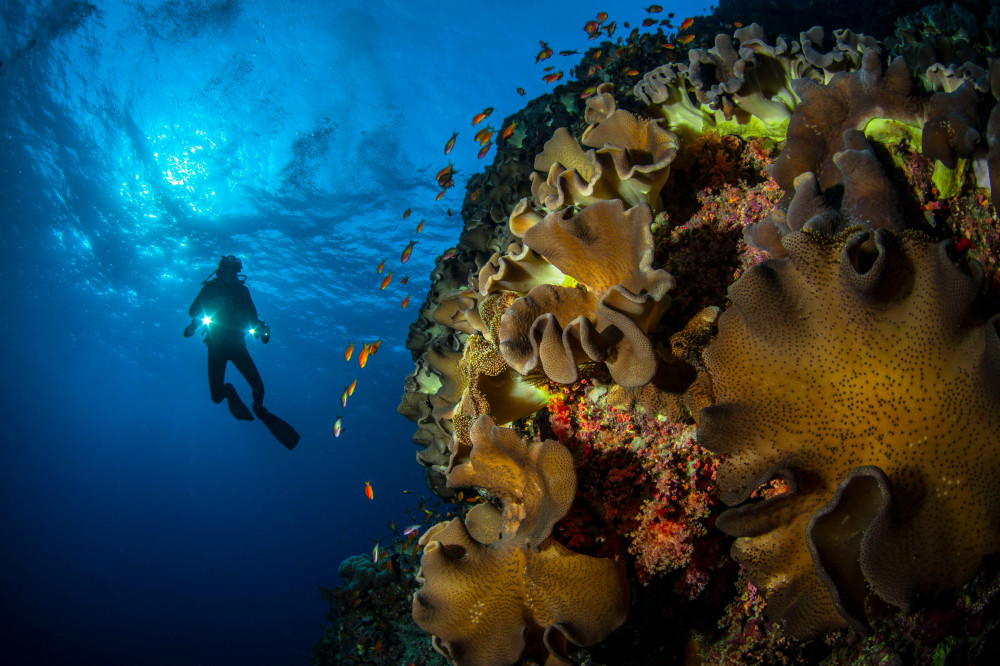
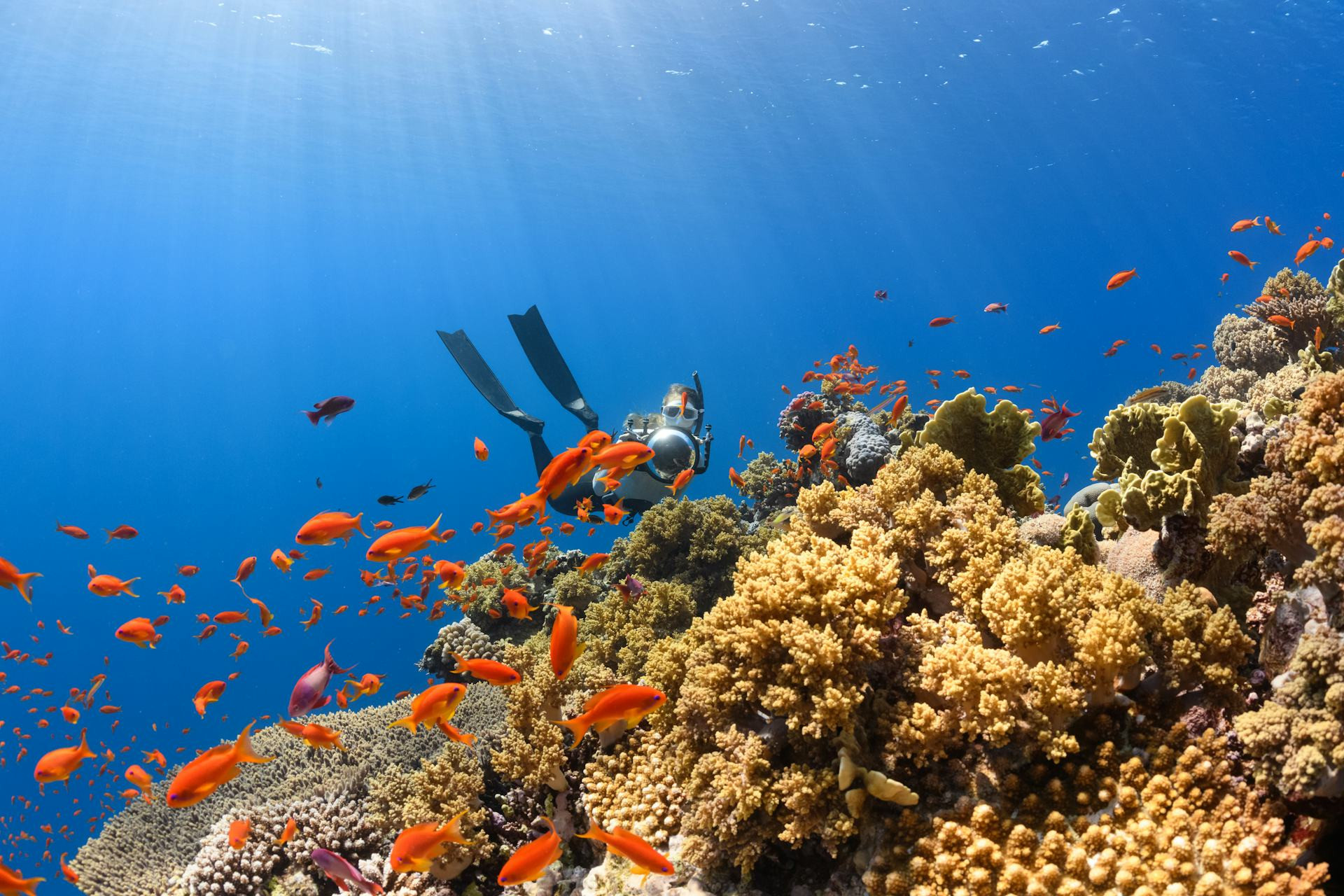
Recreational diving is the most popular and accessible form of diving, and it’s where most people begin. It’s all about exploring the underwater world safely and comfortably, usually at depths of up to 60–100 feet. From coral reefs in the Florida Keys to shipwrecks off the coast of North Carolina, recreational diving offers endless opportunities for adventure.
Most divers start with an Open Water Diver certification, offered by organizations such as PADI, SSI, or NAUI. The course teaches essential skills like equalizing pressure, controlling buoyancy, and following safety procedures. Once certified, divers can explore sites across the U.S. and around the world—from the kelp forests of California to the crystal-clear springs of Florida.
Recreational diving doesn’t require extreme fitness, but being comfortable in the water and following safety guidelines are key to a great experience.
Læs også:
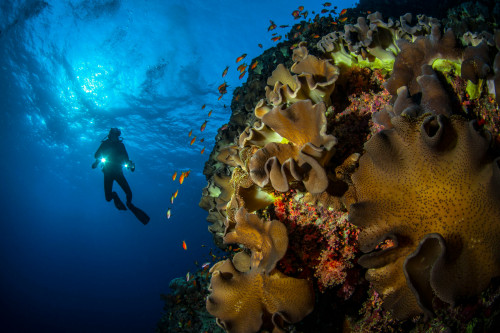
Technical Diving – Pushing the Limits
Technical diving, often called tec diving, is for those who want to go deeper, stay longer, and explore beyond the limits of recreational diving. It involves advanced equipment such as multiple tanks, specialized gas mixtures (like trimix or nitrox), and redundant systems for safety. Technical divers often use detailed dive computers and plan every minute of their dives with precision.
The goal might be to explore deep wrecks in the Great Lakes, map underwater caves, or conduct scientific research. Because of the complexity and risks involved, technical diving requires extensive training and experience. Mistakes can have serious consequences, so divers follow strict procedures and always dive with a well-prepared team.
For many, the appeal of technical diving lies in the combination of adventure, discipline, and the challenge of understanding human limits under pressure.
Freediving – One Breath at a Time
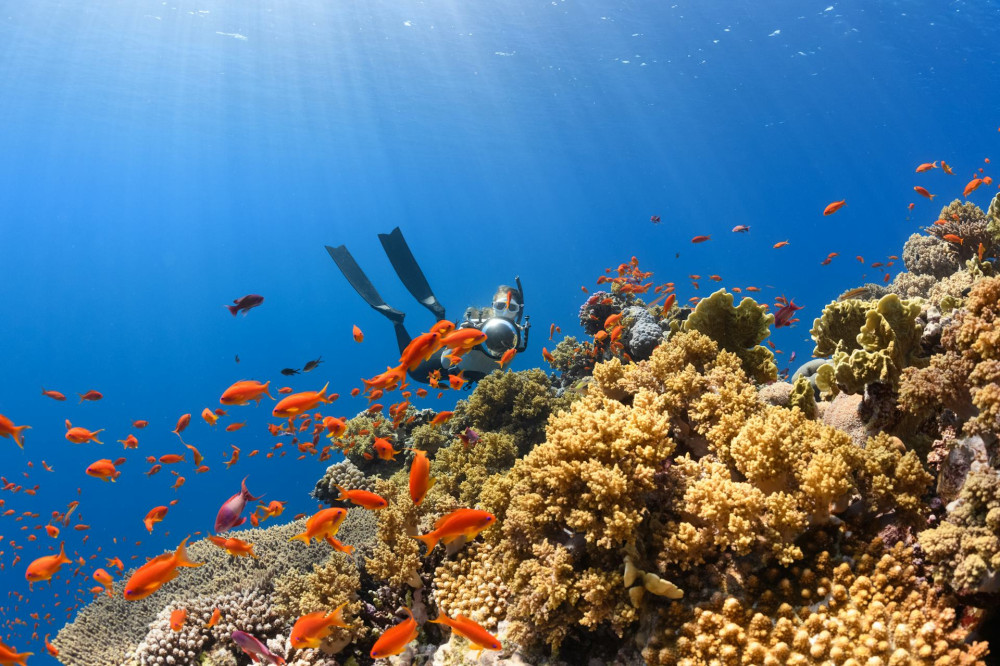
Freediving, or apnea diving, is the most minimalist form of diving. There are no tanks or regulators—just a single breath and the ability to stay calm underwater. It’s about relaxation, control, and the connection between body and mind.
Freedivers train in breathing techniques, relaxation, and mental focus to dive deeper and stay underwater longer. Some practice it as a meditative experience, while others compete in disciplines such as static apnea (holding one’s breath for as long as possible) or depth diving with weights.
Although it may look simple, freediving requires respect for safety and the body’s limits. Divers always train with a buddy and learn rescue techniques and proper ascent procedures. The key is to stay calm and never push beyond what feels safe.
Equipment and Safety – The Common Ground
No matter what type of diving you choose, preparation and safety are essential. Basic gear like a mask, fins, and wetsuit is common to all divers, but the rest depends on the discipline:
- Recreational divers typically use a single tank, a buoyancy control device (BCD), and a regulator.
- Technical divers rely on multiple tanks, backup systems, and specialized suits for deep or cold-water dives.
- Freedivers use lightweight gear, long fins, and weight belts to achieve neutral buoyancy.
Across all forms of diving, the golden rules remain the same: never dive alone, always check your equipment, and know your limits. The ocean is beautiful but demands respect.
Diving as a Way of Life
For many, diving becomes more than a hobby—it’s a lifestyle. It’s not just about seeing fish or coral; it’s about experiencing peace, weightlessness, and a deep connection to nature. Some divers find joy in underwater photography, others in exploring new sites or teaching beginners.
Whether you dream of drifting over a tropical reef, exploring a historic wreck, or simply enjoying the silence beneath the surface, there’s a form of diving that’s right for you. The most important thing is to start safely, get proper training, and let your curiosity guide you deeper into the blue.
Læs også: