Set Your Own Goals in Shooting Sports – and Track Your Progress Over Time
Set Your Own Goals in Shooting Sports – and Track Your Progress Over Time
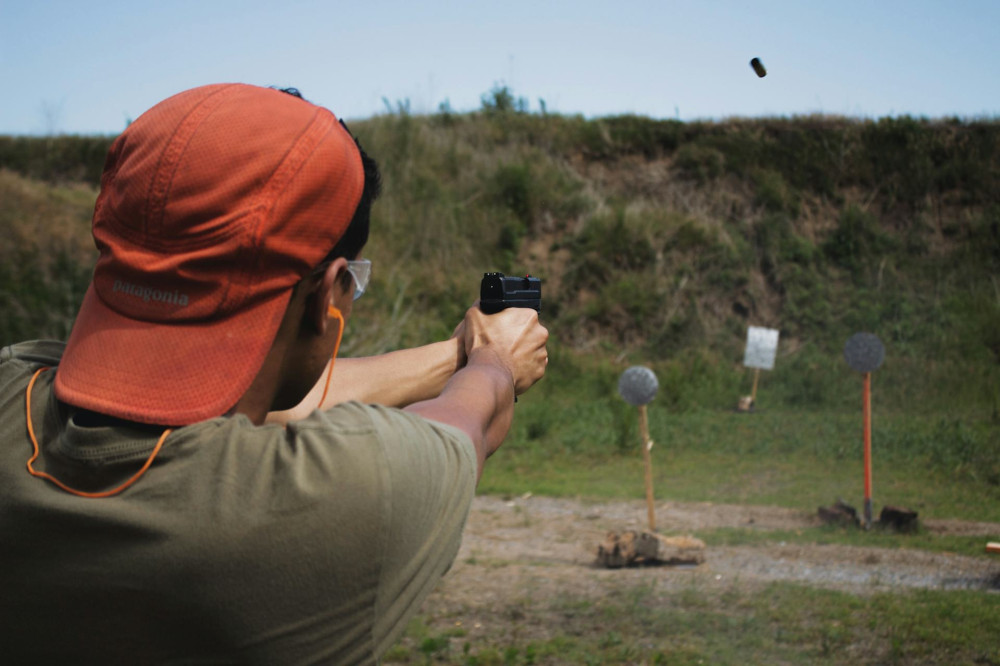
Shooting sports are about much more than hitting the bullseye. They’re about understanding yourself, refining your technique, and seeing how you grow over time. Whether you shoot rifle, pistol, or shotgun, setting personal goals can make your training more motivating and your results more meaningful. Here’s how you can take a structured approach to improving your performance and enjoying the journey.
Why Goals Matter
Many shooters find that they perform better when they have a clear focus. A goal gives direction and helps you stay motivated, even on the days when your shots don’t land where you want them to. Your goal might be as simple as improving your accuracy at 25 yards or as ambitious as qualifying for a state or national competition.
When you set goals, progress becomes visible—and that sense of improvement is what keeps training fun and rewarding.
Set Realistic and Measurable Milestones
A good goal should be both realistic and measurable. Instead of saying, “I want to get better at shooting,” try something like, “I want to increase my average score by 10 points within three months.” That kind of goal gives you a clear target and makes it easier to track your progress.
Breaking your main goal into smaller milestones helps you stay on track. If your long-term aim is to compete at a higher level, start by focusing on specific technical improvements—like steadier grip pressure, smoother trigger control, or better focus under pressure. Each small step brings you closer to your bigger objective.
Use a Training Log or App
Keeping a training log is one of the most effective ways to monitor your development. Record details about each session—what you practiced, how you felt, and what worked or didn’t. Over time, you’ll start to notice patterns. Maybe you shoot better in the morning, or after a particular warm-up routine.
There are also plenty of apps and digital tools designed for shooters. These can help you record scores, analyze shot groupings, and visualize your progress. Seeing your improvement in charts or graphs can be both motivating and educational.
Learn from Mistakes—and from Good Days
In shooting, small details make a big difference. That’s why it’s important to treat mistakes as learning opportunities, not failures. When a shot doesn’t go as planned, ask yourself what happened just before you pulled the trigger. Was it your stance, your breathing, or your concentration?
Likewise, analyze your good sessions. What did you do right? How did it feel? Understanding both your successes and your challenges helps you build consistency and confidence over time.
Læs også:
Get Feedback and Support
Even though shooting often feels like an individual sport, you can progress faster with input from others. A coach or experienced club member can spot things you might miss—like subtle issues in your posture or follow-through.
Many shooting ranges and clubs in the U.S. offer group training sessions or coaching programs. These are great opportunities to get constructive feedback in a supportive environment. Sharing experiences with other shooters can also make training more enjoyable and less isolating.
Don’t Forget the Mental Game
Shooting is as much a mental discipline as a physical one. Even the best technique can fall apart if your mind isn’t calm and focused. That’s why mental training—like visualization, breathing exercises, and pre-shot routines—is so important.
Some shooters use short mindfulness sessions or controlled breathing to center themselves before a round. Others rely on consistent rituals to reset between shots. Experiment to find what helps you focus best, and make it part of your regular practice.
Celebrate Your Progress
It’s easy to get caught up in chasing perfection, but remember to celebrate your progress along the way. Every time you reach a milestone, take a moment to acknowledge your effort. That recognition keeps motivation high and makes the process more enjoyable.
You might mark the occasion by entering a local match, setting a new challenge, or simply reflecting on how far you’ve come. Shooting is a lifelong learning experience, and appreciating your growth is part of what makes it so rewarding.
Shooting as Personal Growth
When you work intentionally on your skills, you’re not just becoming a better shooter—you’re also developing patience, focus, and self-discipline. These qualities extend far beyond the range.
Setting your own goals and tracking your progress is ultimately about taking ownership of your sport. It helps you become not only a more skilled marksman but also a more mindful and confident individual who finds satisfaction in the process itself.
Læs også: