Motivation in the Crosshairs – How Pistol Shooters Set Realistic Goals

Motivation in the Crosshairs – How Pistol Shooters Set Realistic Goals
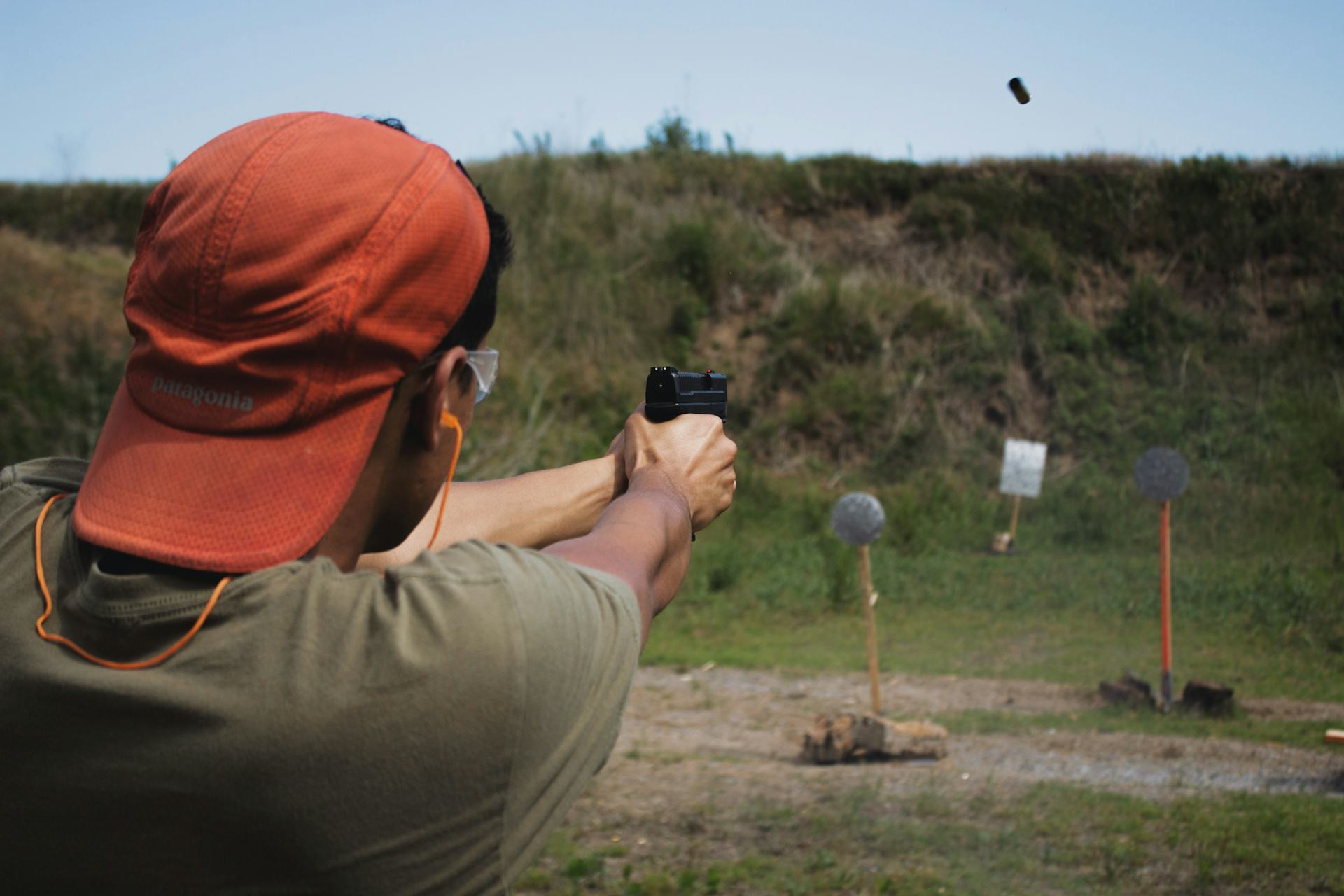
Hitting the bullseye isn’t just about steady hands and good equipment – it’s also about mental strength and motivation. For pistol shooters, whether they compete at local ranges or on the national stage, the ability to set realistic goals is key to steady improvement. But how do you find the balance between ambition and realism? And how do you stay motivated when progress feels slow?
Goals That Make Sense
A good goal should be more than a number on a target. It should be meaningful, personal, and suited to your current skill level and lifestyle. Many coaches recommend using the SMART framework – goals that are Specific, Measurable, Achievable, Relevant, and Time-bound.
Instead of saying, “I want to shoot better,” a more effective goal might be: “I want to raise my average score by 10 points over the next three months.” This kind of goal makes it easier to track progress and adjust your training plan along the way.
Know Where You’re Starting From
Before setting new goals, it’s important to understand your starting point. It’s tempting to compare yourself to other shooters, but in shooting sports, it’s far more productive to measure yourself against your own past performance.
Take an honest look at your strengths and weaknesses. Is your challenge technical, mental, or related to handling pressure? By identifying the areas with the most room for improvement, your goals become both more realistic and more motivating.
Small Steps Lead to Big Results
Many shooters lose motivation because they set goals that are too big, too soon. For example, aiming to qualify for a national championship before mastering the basics can lead to frustration. Breaking large goals into smaller milestones is often more effective.
A milestone might be improving your grip, maintaining focus through an entire series, or completing a full training plan without skipping sessions. Each small success builds confidence – and that sense of progress is what keeps motivation alive.
Mental Training as Part of the Plan
Shooting is as much a mental sport as it is a physical one. Even minor lapses in concentration can affect results. That’s why mental training should be a natural part of any goal-setting process.
Visualization, breathing exercises, and pre-shot routines can help create calm and focus. Many shooters also work on positive self-talk – instead of thinking, “Don’t shoot low,” they might think, “Keep your focus on the center.” This shift in mindset not only changes your thoughts but also your body’s response under pressure.
When Motivation Slips
Even the most dedicated shooters experience dips in motivation. It might be due to disappointing results, a busy schedule, or simple fatigue. It’s important to remember that motivation isn’t constant – it needs to be maintained.
One good strategy is to vary your training. Try new drills, shoot at different distances, or enter small local matches to bring fresh energy into your routine. Keeping a training journal can also help – note what went well, what didn’t, and what you want to focus on next time.
Celebrate Progress – Even the Small Wins
Many shooters forget to celebrate their progress because they’re focused only on the end goal. But motivation grows when you acknowledge the small victories along the way.
Maybe it’s the first time you complete a series without losing concentration, or when your trigger control feels smooth and consistent. Recognizing these moments makes training more rewarding – and the path toward your bigger goals more manageable.
Læs også:

Realistic Goals Build Lasting Motivation
Setting realistic goals isn’t about thinking small – it’s about building sustainable progress. When your goals fit your skill level and your daily life, they become a source of satisfaction rather than frustration.
For pistol shooters, motivation often comes from the desire to master a precise and demanding discipline. And that’s exactly why it’s worth remembering: the road to precision is paved with patience, reflection, and realistic ambition.
Læs også: