Safety First: Good Habits for Handling Shotguns

Safety First: Good Habits for Handling Shotguns
Handling a shotgun demands respect, awareness, and consistent safety habits. Whether you’re a new hunter, a seasoned shooter, or someone who enjoys sporting clays, safety must always come first. A shotgun is a finely tuned tool—but it can also be dangerous if handled carelessly. Here’s a guide to the most important habits that help keep you and those around you safe.
Know Your Firearm and Its Condition
The first step toward safe handling is understanding your shotgun. Learn how it operates—how to load, unload, and engage the safety. Read the owner’s manual carefully, and if you’re unsure about anything, ask an experienced shooter or certified instructor for help.
A golden rule is to treat every firearm as if it’s loaded, even when you believe it’s not. Always check the chamber and magazine when you pick up a shotgun, and again before you put it down. It takes only a few seconds but can prevent a lifetime of regret.
Never Point at Anything You Don’t Intend to Shoot
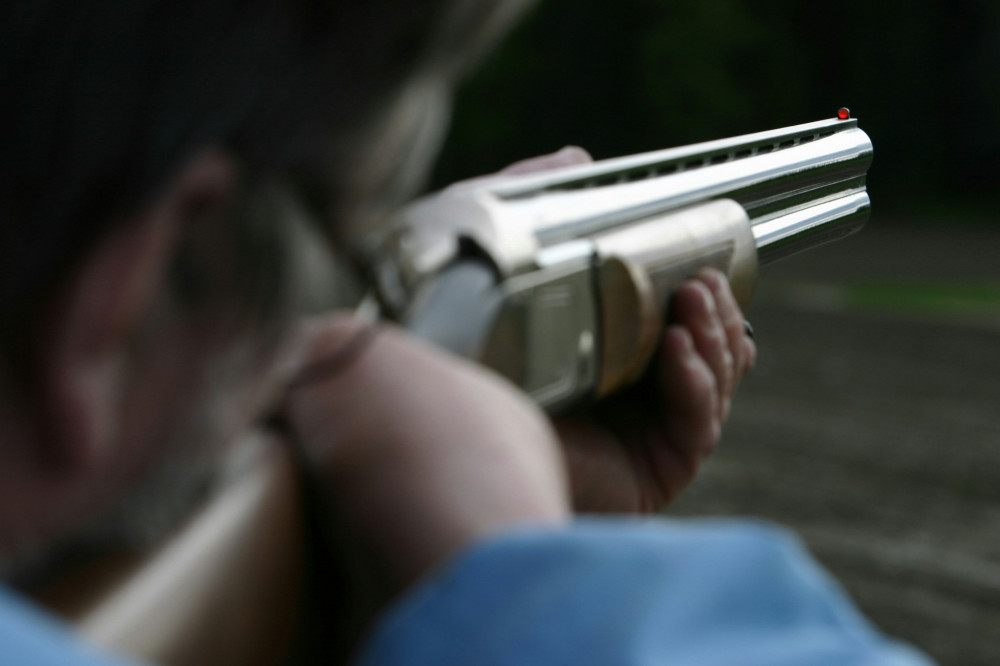
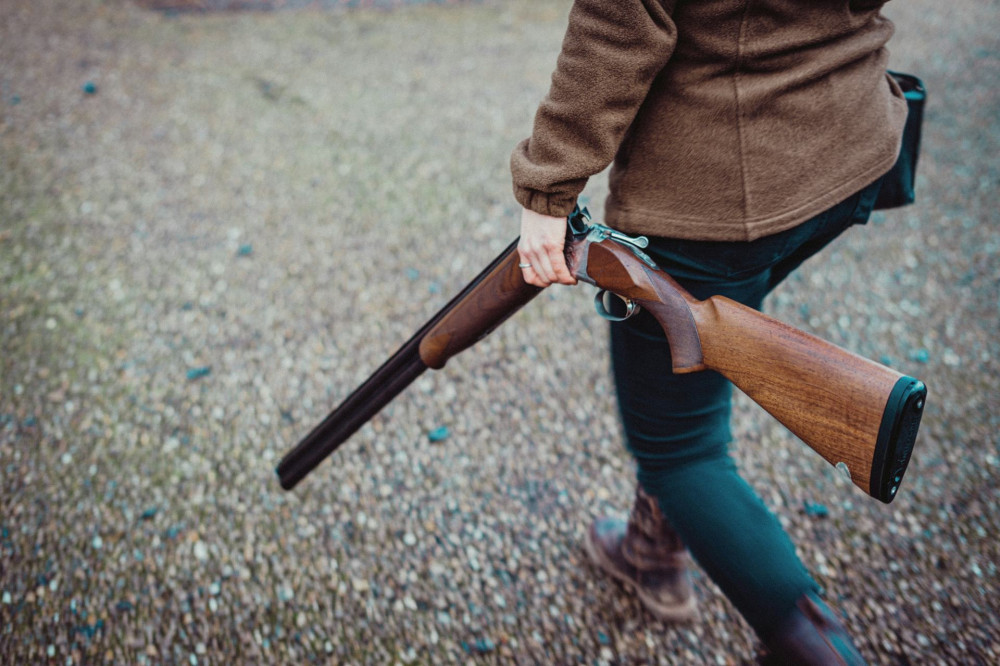
A shotgun should never be pointed at a person, animal, or object you don’t plan to shoot. This rule applies even when you think the gun is unloaded. Always keep the muzzle pointed in a safe direction—typically down toward the ground or up toward the sky, depending on your surroundings.
When walking with others, be mindful of where your muzzle is aimed. In hunting situations, agree on safe zones of fire and stick to them. Awareness of your environment is key to preventing accidents.
Keep Your Finger Off the Trigger
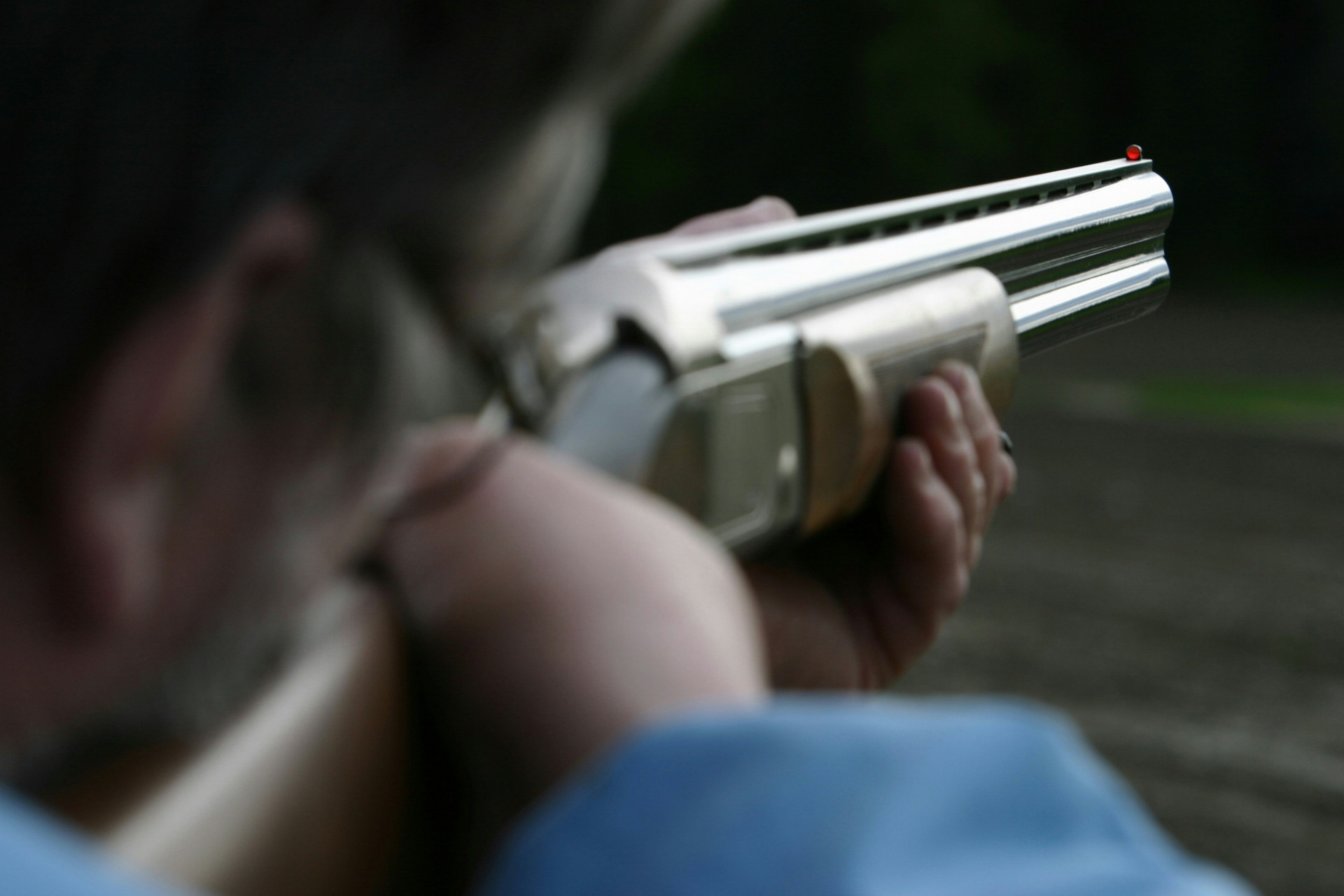
One of the most common mistakes among new shooters is resting a finger on the trigger before they’re ready to fire. This greatly increases the risk of an accidental discharge. The correct habit is to keep your finger outside the trigger guard, along the receiver, until your sights are on target and you’re ready to shoot.
This small habit makes a big difference—and it’s one of the most important safety practices you can develop.
Læs også:
Use the Correct Ammunition
Only use ammunition that matches your shotgun’s gauge and chamber length. Using the wrong shells can damage the firearm and cause serious injury. Check the markings on both the barrel and the ammunition box to ensure they match.
Store ammunition separately from your shotgun, and avoid mixing different types of shells in the same bag or pocket. This simple precaution helps prevent dangerous mix-ups.
Safe Transport and Storage
When transporting your shotgun, it should always be unloaded and placed in a secure case. During vehicle transport, keep both the firearm and ammunition out of reach and follow all state and federal transport laws.
At home, store your shotgun in a locked gun safe or cabinet, with ammunition stored separately. Keep keys or combinations secure and out of reach of children or unauthorized persons. Responsible storage isn’t just good practice—it’s part of being a responsible gun owner.
Protect Your Hearing and Eyes
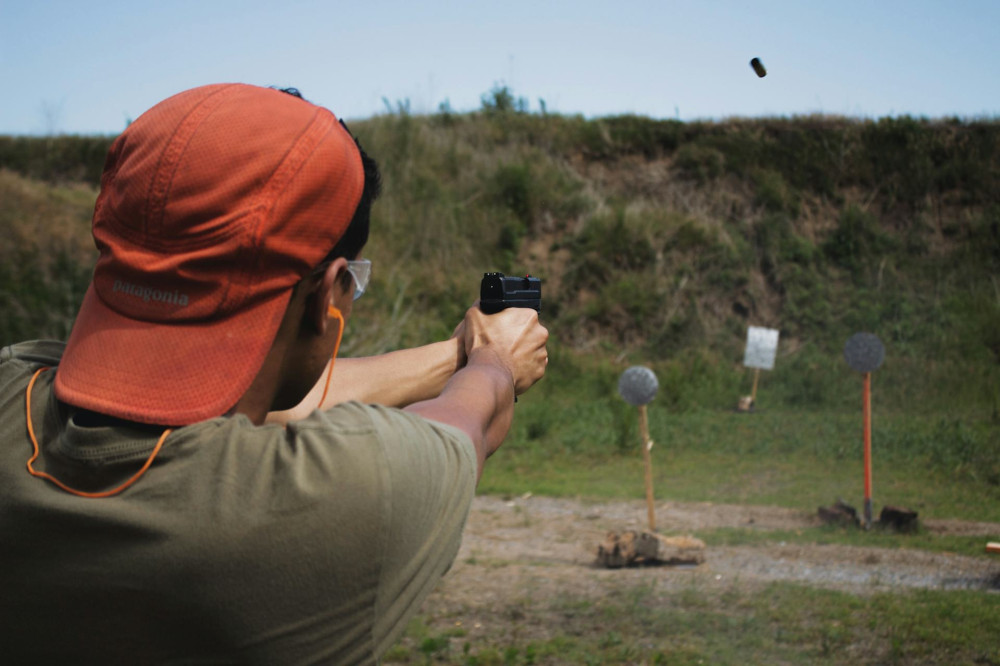
Hearing and eye protection are essential every time you shoot. A shotgun blast can permanently damage hearing, and small particles or debris can injure your eyes. Make it a habit to wear ear protection and safety glasses, even for short practice sessions.
Never Mix Alcohol or Drugs with Firearms
It should go without saying, but alcohol, drugs, and firearms never mix. Even small amounts of alcohol or certain medications can impair judgment and reaction time. Save the celebration for after the hunt or shooting session—never before or during.
Keep Learning and Stay Sharp
Firearm safety isn’t something you learn once and forget. Take refresher courses, attend range safety briefings, and practice regularly. Many shooting clubs and hunter education programs offer ongoing training that helps you stay confident and competent.
Good shooters aren’t just accurate—they’re safe, disciplined, and respectful of their firearms and surroundings.
Responsibility Comes with the Reward
Owning and using a shotgun can bring great enjoyment—whether in the field, at the range, or as part of a hunting tradition. But it also comes with serious responsibility. By building good habits and following the fundamental rules of firearm safety, you show respect for your gun, your community, and the sport itself. Safety isn’t just a rule—it’s a mindset that protects everyone.
Læs også: