Training vs. Competition: Understanding the Difference in Your Martial Arts Gear

Training vs. Competition: Understanding the Difference in Your Martial Arts Gear
When you practice martial arts, your gear is more than just equipment—it’s part of your safety, performance, and mindset. But the gear you use for everyday training isn’t the same as what you’ll need for competition. Many practitioners, especially beginners, overlook these differences, which can affect comfort, technique, and results. Here’s a guide to help you understand how to choose the right gear and why it matters.
Training Gear: Built for Repetition and Durability
In the gym or dojo, training is all about repetition and consistency. That means your training gear needs to be tough, comfortable, and flexible enough to handle hours of practice.
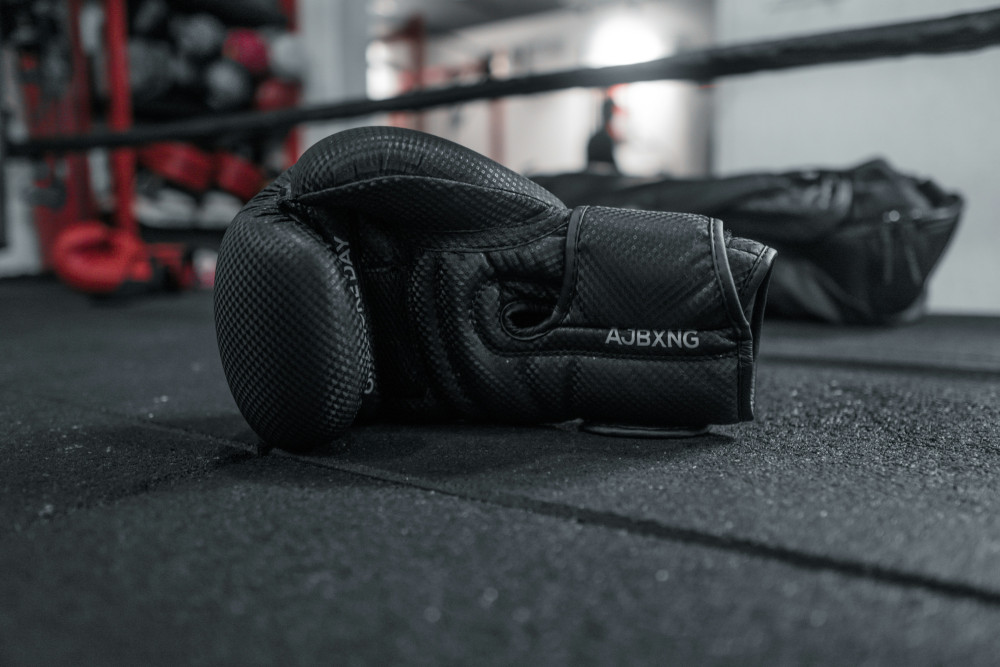
- Protection and comfort: Training gloves, shin guards, and mouthguards are often thicker and more padded than competition gear. The extra cushioning helps reduce the risk of injury during drills and sparring.
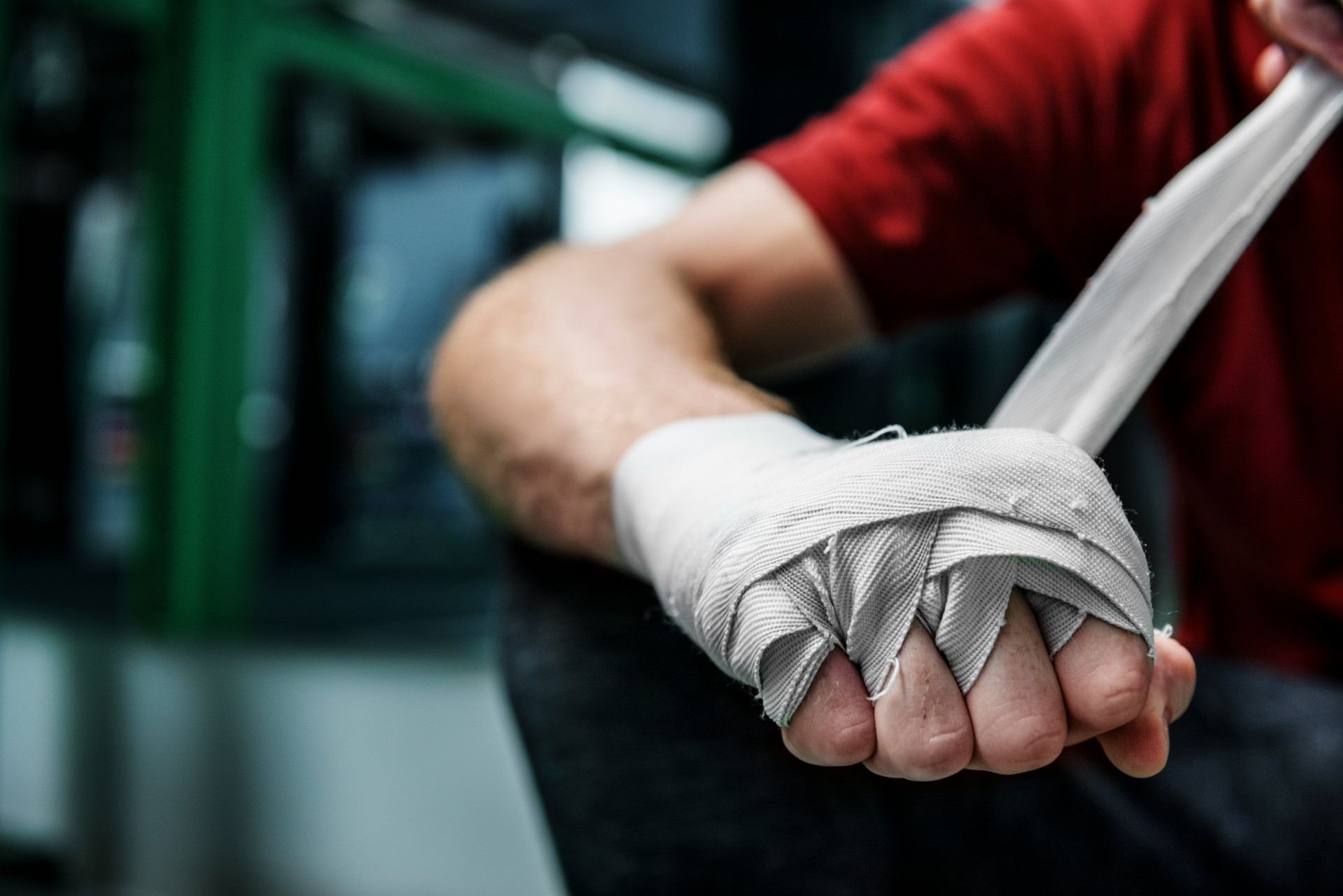
- Durability: Training gear takes a beating. Materials like synthetic leather, reinforced nylon, or heavy cotton are popular because they can withstand sweat, impact, and constant use.
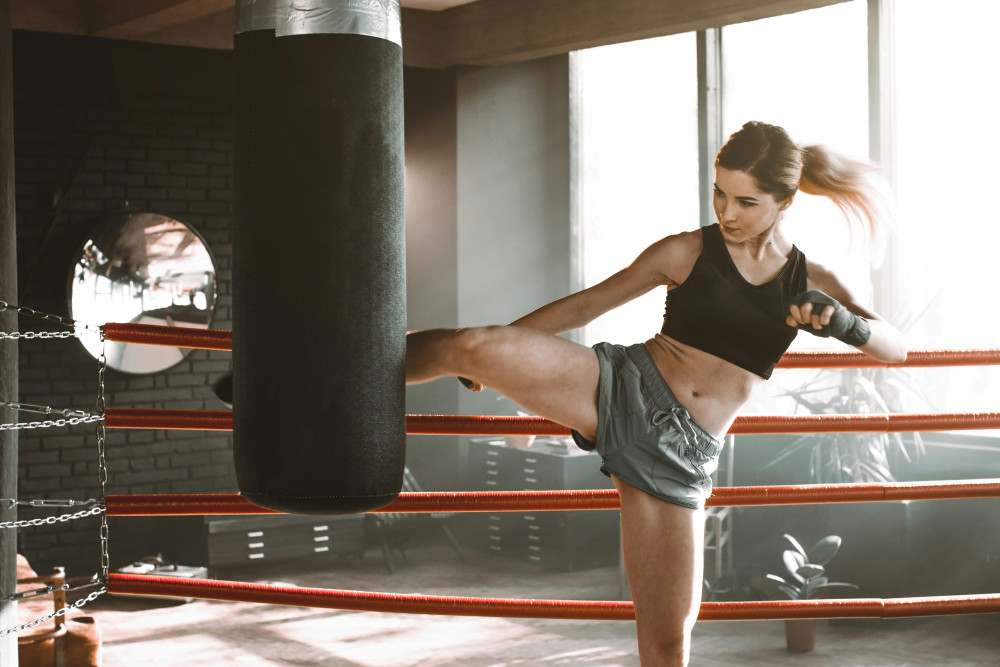
- Flexibility: During training, freedom of movement is key. Many athletes prefer lighter uniforms or shorts that allow for kicks, throws, and dynamic movement without restriction.
In short, your training gear is your daily workhorse—it should feel comfortable, protect you well, and last through countless sessions.
Læs også:


Competition Gear: Designed for Performance and Rules
When it’s time to compete, the priorities shift. Competition gear is all about precision, weight, and compliance with official regulations.
- Approvals and standards: Most competitions in the U.S. follow specific federation rules—like USA Taekwondo, IBJJF for Brazilian jiu-jitsu, or USA Boxing. Your gear must meet their standards for color, size, and branding.
- Lightweight and responsive: Competition gloves, uniforms, and protective gear are typically lighter and thinner to maximize speed and control. This can mean less padding, so they’re not ideal for everyday training.
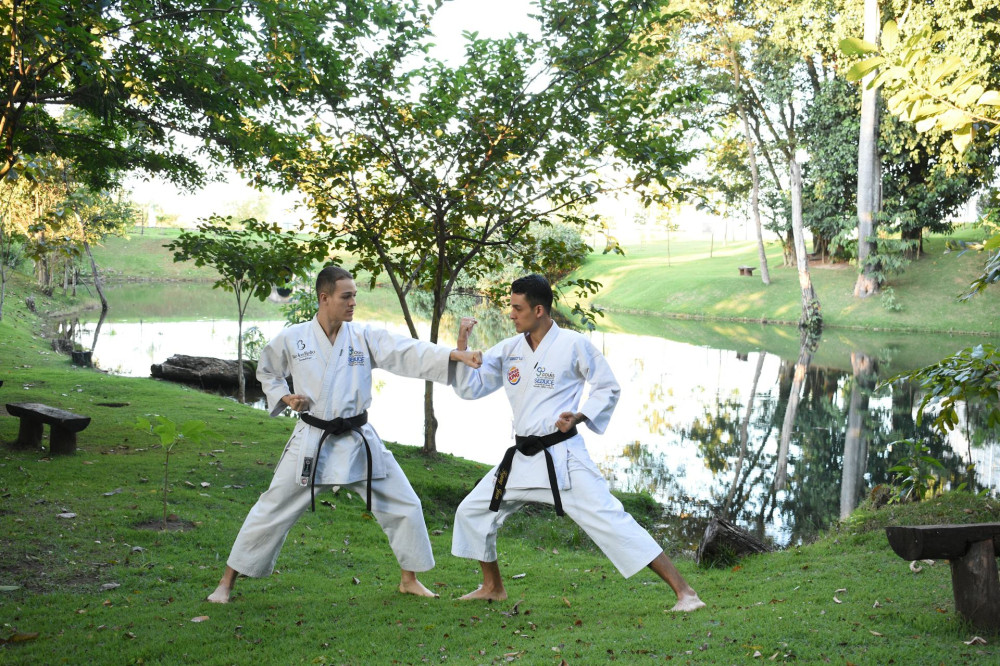
- Appearance and presentation: In many martial arts, presentation matters. A clean, well-fitted gi or uniform in the correct color shows professionalism and respect for the sport.
Competition gear is fine-tuned for performance and compliance—not necessarily for comfort over long training sessions.
Why You Should Have Two Sets of Gear
It might seem like an extra expense, but having separate gear for training and competition is worth it. Each serves a different purpose, and mixing them can cause problems.
- Wear and hygiene: Training gear wears out faster and absorbs sweat. Using it in competition can make you look unprepared—or even disqualify you if it doesn’t meet standards.
- Fit and feel: Competition gear often fits tighter to reduce drag and improve movement efficiency. It might feel different from your training gear, but that’s an advantage on competition day.
- Mental preparation: Many athletes find that putting on their competition gear helps them switch into “fight mode.” It marks the transition from practice to performance.
Having two sets of gear isn’t just practical—it helps you perform your best both in training and in competition.
How to Choose the Right Gear
When investing in martial arts gear, think about how you’ll use it and where you are in your development as a practitioner.
- Start simple: If you’re new, begin with a solid set of training gear. As you progress toward competition, add specialized items that meet official standards.
- Ask your coach: Rules and requirements vary between schools and organizations. Your coach can guide you on what’s approved and what works best for your discipline.
- Try before you buy: Fit and comfort matter. Move around in the gear, test your range of motion, and make sure it feels right for your body.
- Take care of it: Proper cleaning and storage extend the life of your gear. Wash uniforms regularly, air out gloves and pads, and check for wear and tear.
Good gear is an investment in your safety, performance, and growth—it can make a real difference in how you train and compete.
Gear as Part of Your Martial Arts Journey
Understanding the difference between training and competition gear isn’t just about practicality—it’s about taking your martial arts journey seriously. Choosing the right gear for the right purpose shows respect for your sport, your opponents, and yourself.
From your first day in the dojo to the moment you step onto the mat or into the ring, your gear is part of your story. With the right equipment, you’ll be ready to train harder, compete smarter, and perform at your best—every time.
Læs også: