Krav Maga in Practice – Effective and Realistic Techniques for High-Pressure Situations

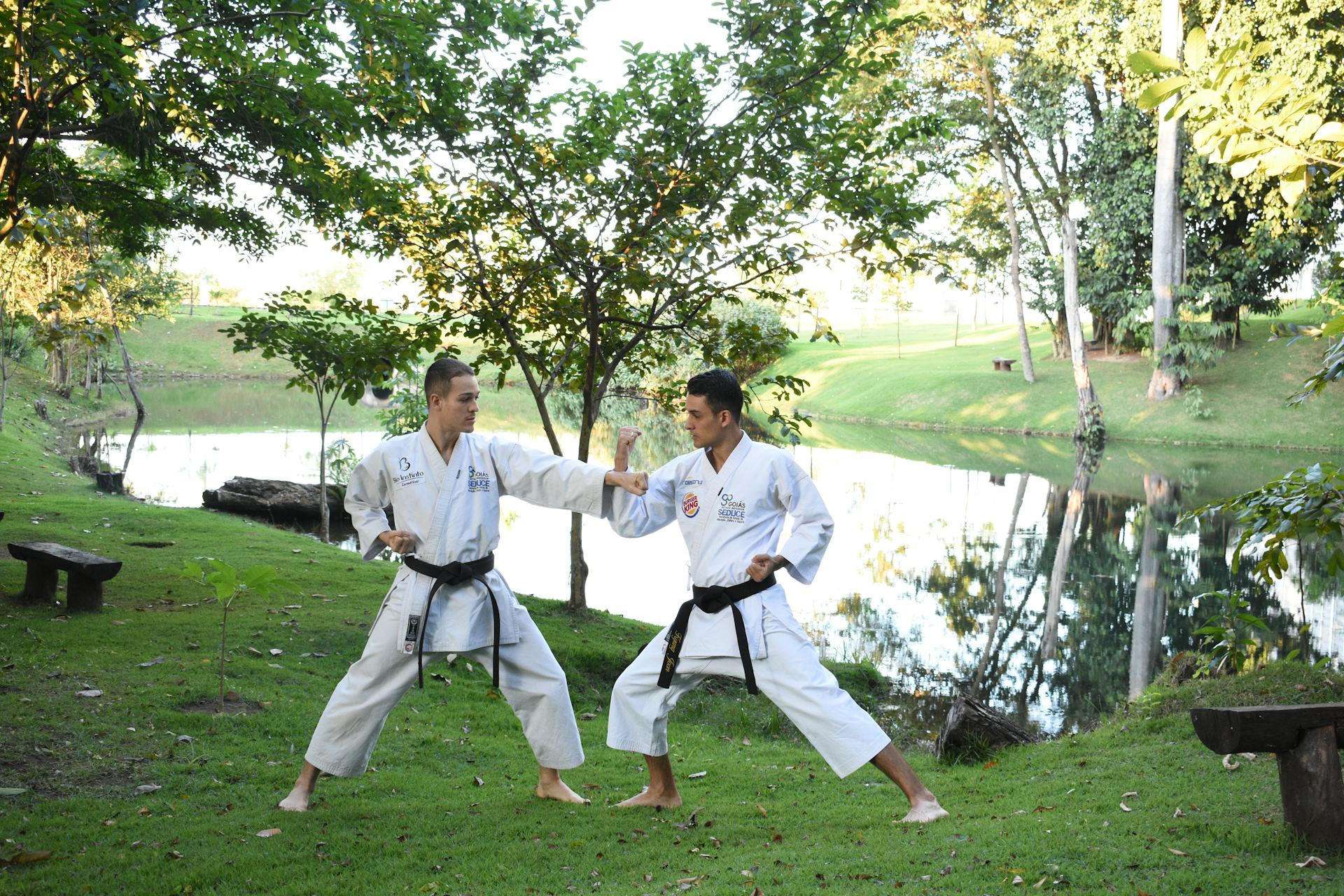
Krav Maga in Practice – Effective and Realistic Techniques for High-Pressure Situations
Krav Maga is not a traditional martial art with tournaments, points, or rituals. It’s a modern self-defense system designed for real-world situations—where the goal isn’t to win, but to survive. Originally developed for the Israeli military, Krav Maga has spread across the globe and gained popularity in the United States as a practical and efficient way to handle physical threats. Here’s a closer look at how Krav Maga works in practice and why it’s so effective when the pressure is on.
Core Principles: Simple, Fast, and Effective
Krav Maga is built on simple movements that can be executed under stress. Instead of memorizing long sequences of techniques, practitioners focus on natural reactions and instinctive responses. This means you learn to act quickly and decisively—even when adrenaline is high and your mind is racing.
A key principle is to neutralize the threat as quickly as possible. That might mean creating distance, using your surroundings to your advantage, or striking with precision. Training emphasizes protecting vital areas such as the head, throat, and groin while moving strategically to escape danger.
Realistic Training – Close to Real Life
What sets Krav Maga apart from many other combat systems is its realistic training approach. Drills often take place under pressure, with elevated heart rates and unpredictable scenarios. You might be asked to defend against a sudden attack from behind, a simulated knife threat, or a situation where you must protect a friend.
The goal isn’t to create fear but to train both body and mind to respond effectively, even when surprised. Instructors use scenarios that mirror real-life incidents—such as muggings, assaults, or confrontations in public spaces. This makes the training both challenging and directly applicable to everyday life.
Techniques That Work in Everyday Situations
Krav Maga isn’t just about striking and kicking. It’s equally about preventing and avoiding confrontation. You learn to read body language, stay calm, and use verbal de-escalation to defuse a situation before it turns physical.
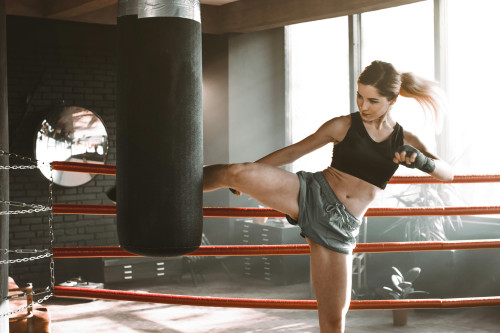
When a fight can’t be avoided, the techniques focus on using the body’s strongest parts against an attacker’s weakest points. This might include strikes to the nose, throat, or groin, kicks to the knees, or the use of elbows and fists at close range. You also learn defenses against grabs, chokes, and weapon attacks—always with the goal of escaping safely.
Læs også:


Mental Focus and Control Under Pressure
A crucial part of Krav Maga is mental conditioning. You learn to manage fear, stress, and shock—and to stay focused even when things feel chaotic. Many practitioners find that this mental strength benefits them beyond self-defense, helping them stay composed in high-stress work or personal situations.
Training teaches you to make quick decisions, trust your instincts, and act with determination. It’s not about aggression—it’s about control: being able to respond effectively without losing your composure.
Krav Maga for Everyone
Although it has military roots, Krav Maga has been adapted for civilians of all ages, genders, and fitness levels. Many U.S. training centers offer classes for beginners, women, children, and seniors. The focus is on building confidence, body awareness, and the ability to protect yourself and others.
No special background is required—just the willingness to learn and the courage to challenge yourself. After only a few months of training, most people notice they move with more confidence and react more calmly in stressful situations.
From the Training Floor to Real Life
Krav Maga is more than a physical discipline—it’s a mindset about being prepared and capable. It’s about taking responsibility for your own safety—not seeking confrontation, but not being helpless if one arises.
In a world where unexpected situations can unfold in seconds, Krav Maga offers a practical and realistic way to protect yourself and those around you. It’s not a sport—it’s a life skill that can truly make a difference when it matters most.
Læs også: