Modern Golf Courses: Striking the Balance Between Challenge and Enjoyment for All Skill Levels


Modern Golf Courses: Striking the Balance Between Challenge and Enjoyment for All Skill Levels
Golf today is more than a sport—it’s an experience that blends nature, skill, and community. Modern golf course design faces an exciting challenge: creating layouts that test elite players while remaining enjoyable and accessible for beginners and casual golfers. How do designers find the right balance between difficulty, playability, and sustainability?
A New Era in Course Design
In the past, many courses were built to challenge professionals, with long carries, narrow fairways, and punishing rough. Today, architects are rethinking that approach. The goal is to design courses that welcome players of all abilities without sacrificing strategic depth or beauty.
Flexibility is key. Multiple tee boxes, thoughtful hole routing, and varied terrain allow a single course to offer different experiences depending on where you play from. A hole that demands precision and power from the back tees can still be fun and fair from the forward ones.
Playability as a Design Principle
Playability has become a guiding concept in modern golf architecture. It’s about creating a sense of flow—where every shot feels meaningful, and players have opportunities to recover from mistakes while still being rewarded for smart decisions.
Natural features often replace artificial hazards. A gently sloping green, a meandering creek, or a strategically placed bunker can add intrigue without punishing players unfairly. The best designs reward creativity and course management rather than brute strength alone.
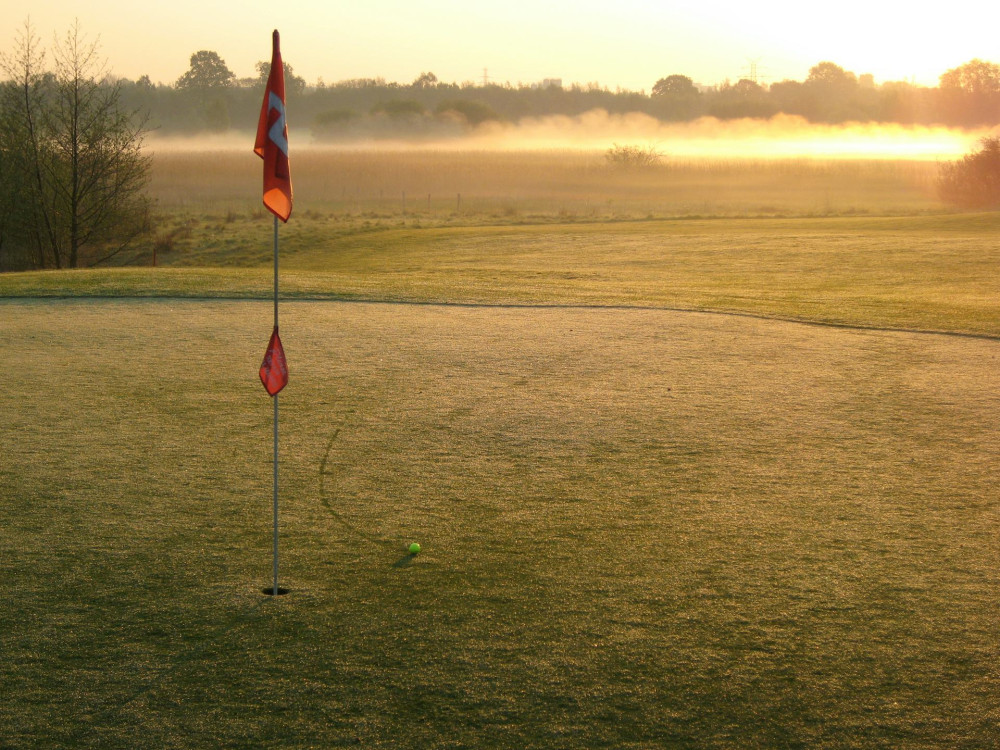
Aesthetics also play a major role. Scenic views, native vegetation, and wildlife habitats enhance the overall experience, reminding players that golf is as much about being outdoors as it is about competition.
Technology and Sustainability at the Forefront
Technology is transforming how courses are designed and maintained. Advanced mapping tools, drones, and data analytics help architects understand topography, sunlight, and water flow, allowing for smarter, more efficient designs.
Sustainability has become a central focus across the United States. Many courses are reducing pesticide use, recycling water, and restoring native ecosystems. These efforts not only protect the environment but also make courses more resilient to changing weather patterns.
Innovations such as drought-tolerant grasses, precision irrigation systems, and solar-powered maintenance equipment are becoming increasingly common. The result is a greener, more sustainable game—both literally and figuratively.
Courses That Build Community
Golf is evolving into a more social and inclusive activity. Modern facilities are designed as community hubs where families, beginners, and seasoned players can all feel at home. Shorter 9-hole layouts, par-3 courses, and practice areas focused on fun and learning are helping to make the game more approachable.
Across the U.S., many clubs now offer flexible memberships, public access days, and beginner-friendly programs. Initiatives like “Get Golf Ready” and youth clinics are introducing new generations to the sport without the intimidation factor that once surrounded it.
Læs også:



Challenge and Enjoyment—Hand in Hand
The modern golf course must do more than test skill—it must inspire and entertain. Achieving that balance requires thoughtful design, respect for the environment, and an understanding of how different players experience the game.
When it all comes together, the result is something special: a course where the scratch golfer can push their limits, and the newcomer can walk off the 18th green smiling, eager to play again. That’s the true essence of modern golf—a sport that unites challenge, nature, and joy in every round.
Læs også: