Gentle Yoga as a Path to Better Post-Workout Recovery

Gentle Yoga as a Path to Better Post-Workout Recovery
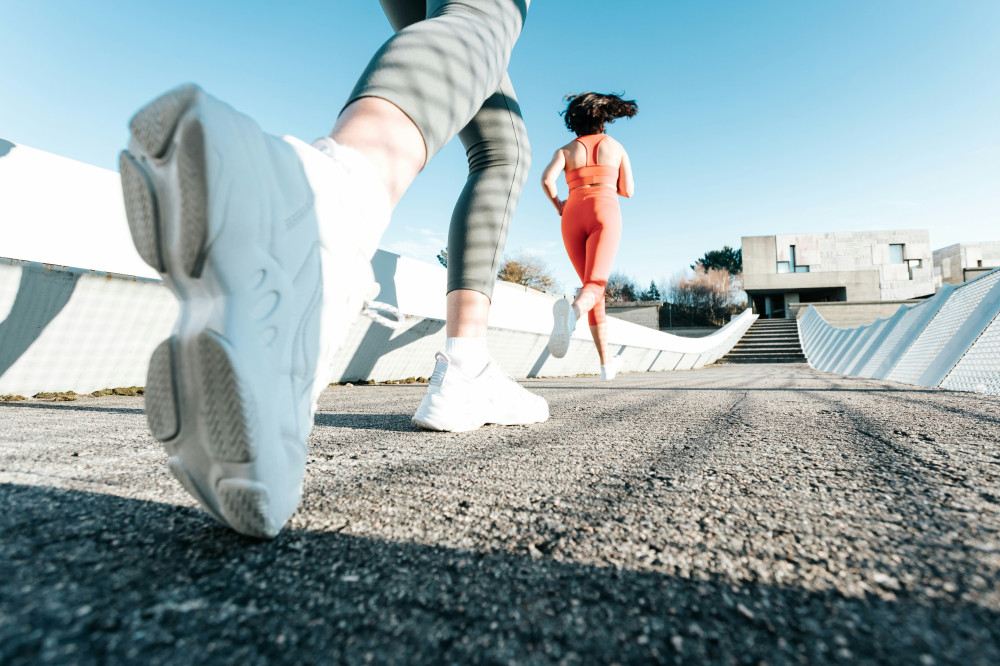
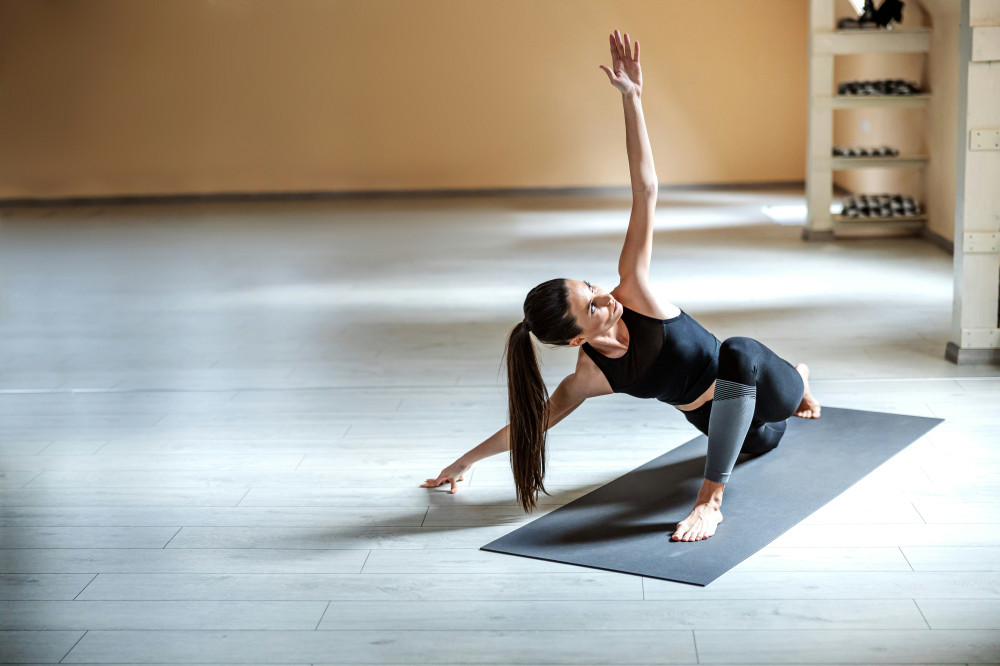
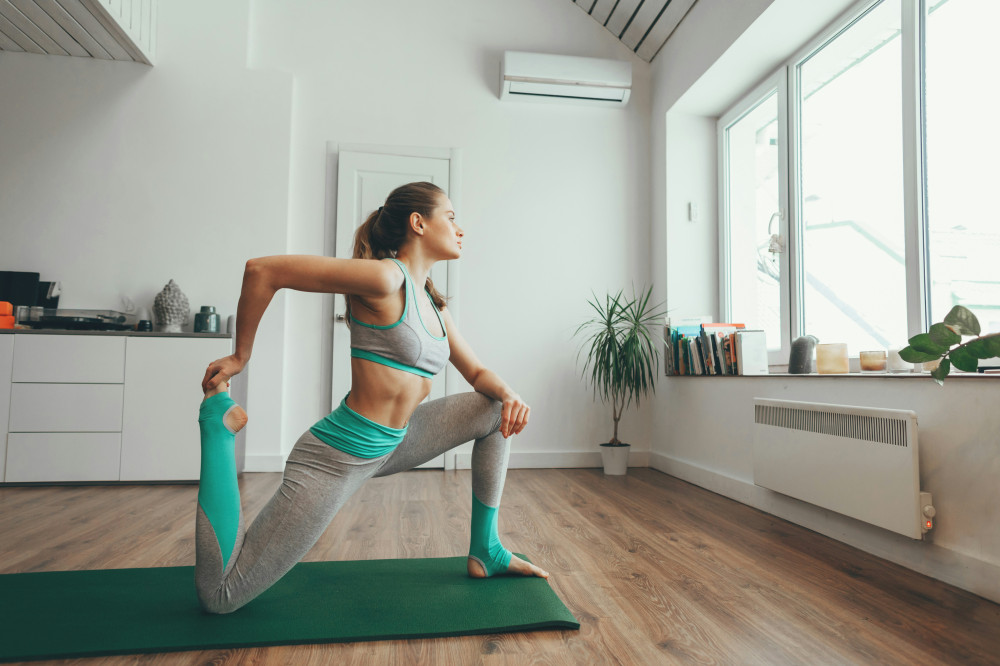
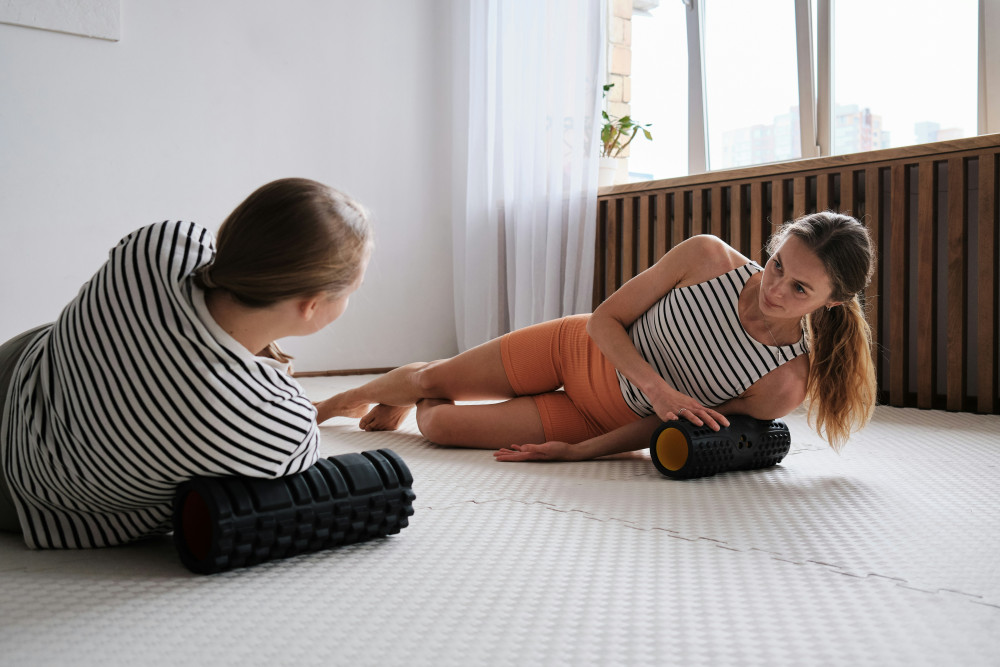
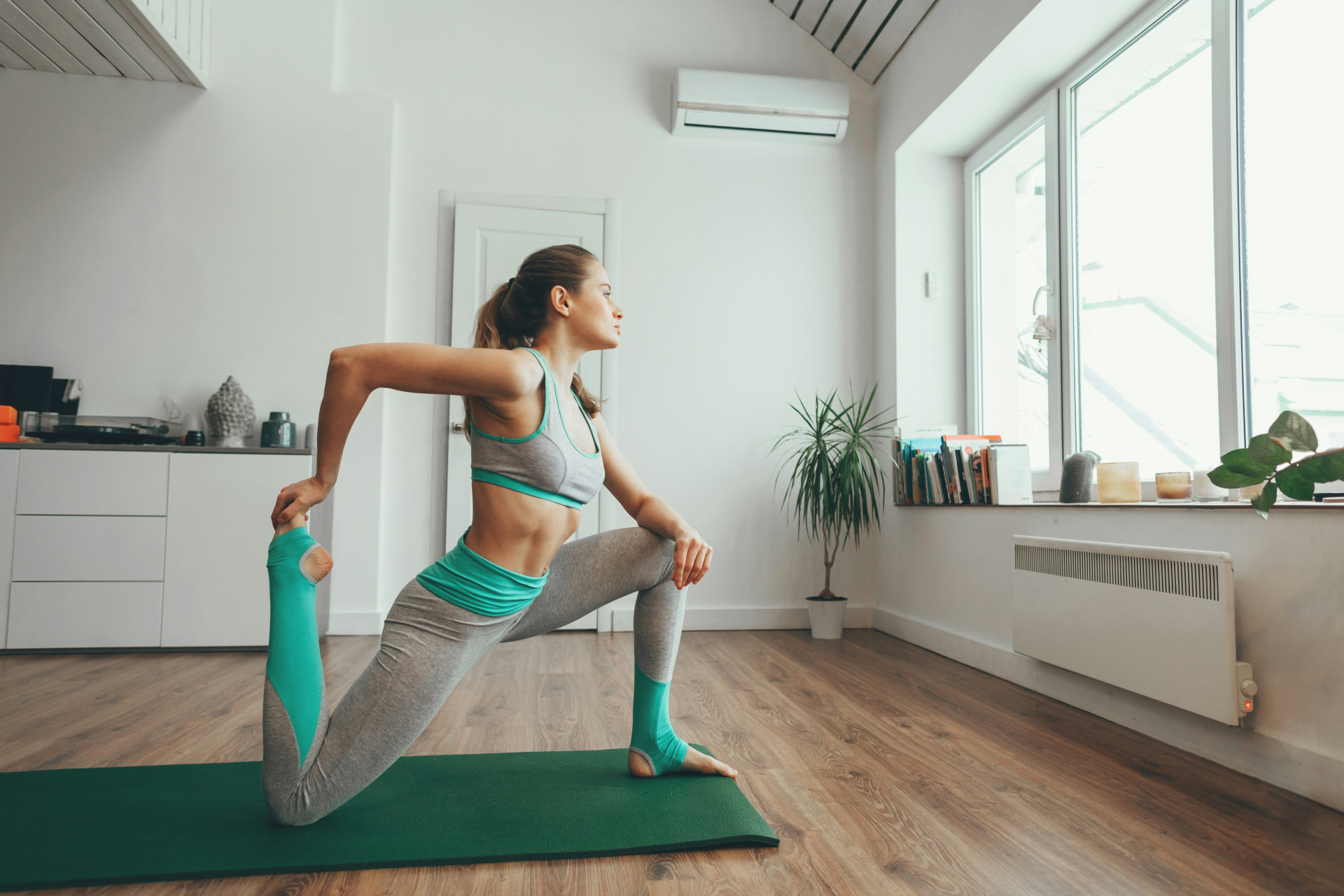
After a tough run, a heavy lifting session, or an intense spin class, your body works hard to repair and rebuild. This recovery phase is when real progress happens — muscles strengthen, energy stores replenish, and the nervous system resets. While many people think of recovery as simply resting on the couch, gentle yoga can be a powerful and soothing way to help your body bounce back faster. Here’s how slow, mindful stretching and breathing can support both your physical and mental recovery after exercise.
Why Recovery Matters
Every workout creates tiny tears in your muscle fibers. Recovery is the process that allows those fibers to rebuild stronger. Without enough rest and proper care, you risk overtraining, fatigue, and even injury. Recovery isn’t just about avoiding setbacks — it’s about improving long-term performance and overall well-being.
Gentle yoga can serve as an active form of rest. The slow, controlled movements increase blood flow, helping deliver oxygen and nutrients to tired muscles while flushing out waste products. At the same time, yoga helps calm the nervous system and reduce stress hormones, allowing your body to shift into repair mode.
What Defines Gentle Yoga
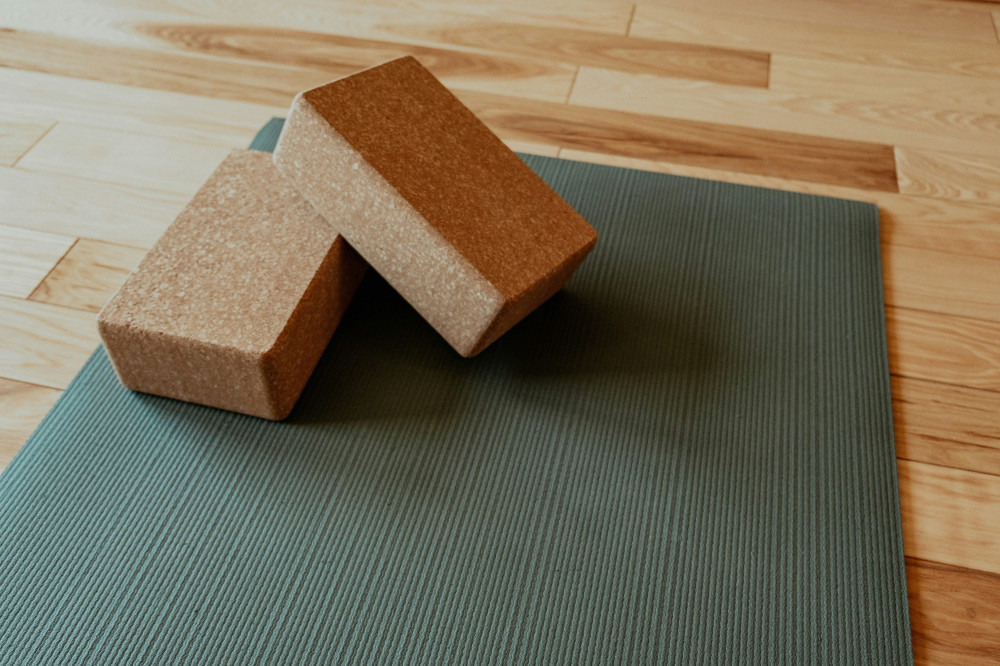
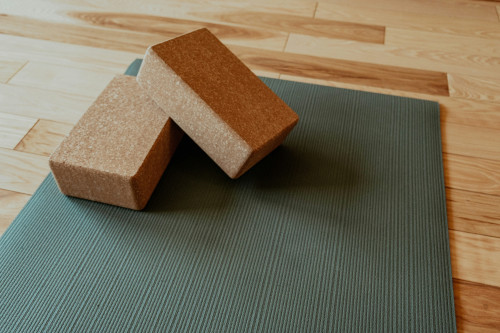
Gentle yoga differs from more vigorous styles like vinyasa or power yoga. The pace is slow, the poses are simple, and the focus is on breathing, stretching, and relaxation. Many poses are done seated or lying down, often with props like blankets, bolsters, or yoga blocks to support the body.
The goal isn’t to push your limits but to release tension and restore balance. That makes gentle yoga ideal for recovery days — especially when you’re feeling sore or fatigued after a workout.
How Yoga Supports Recovery
Gentle yoga benefits the body in several ways that directly enhance recovery:
- Improved circulation: Slow, mindful movement boosts blood flow, delivering nutrients to muscles and aiding in the removal of metabolic waste.
- Muscle and fascia release: Gentle stretches help ease tightness and improve flexibility.
- Activation of the parasympathetic nervous system: Deep breathing and relaxation trigger the body’s “rest and digest” response, promoting healing and recovery.
- Enhanced body awareness: Yoga helps you tune in to how your body feels, making it easier to notice areas that need extra care or rest.
Three Simple Yoga Poses for Recovery
You don’t need a long session to feel the benefits. Try these three restorative poses after your next workout:
- Child’s Pose (Balasana) – Gently stretches the back, hips, and shoulders while calming the mind and deepening the breath.
- Legs Up the Wall (Viparita Karani) – A classic restorative pose that reduces swelling in the legs and soothes the nervous system.
- Supine Twist (Supta Matsyendrasana) – Releases tension in the lower back and spine while aiding digestion and relaxation.
Hold each pose for 2–5 minutes, breathing slowly and deeply. Don’t worry about how far you stretch — focus on comfort and letting go.
The Mental Side of Recovery
Recovery isn’t just physical. Your mind also needs time to unwind after intense training. Many athletes find that yoga’s emphasis on breath and mindfulness helps quiet racing thoughts and restore mental balance. When you breathe deeply and consciously, you signal to your body that it’s safe to relax — a key step in effective recovery.
Getting Started
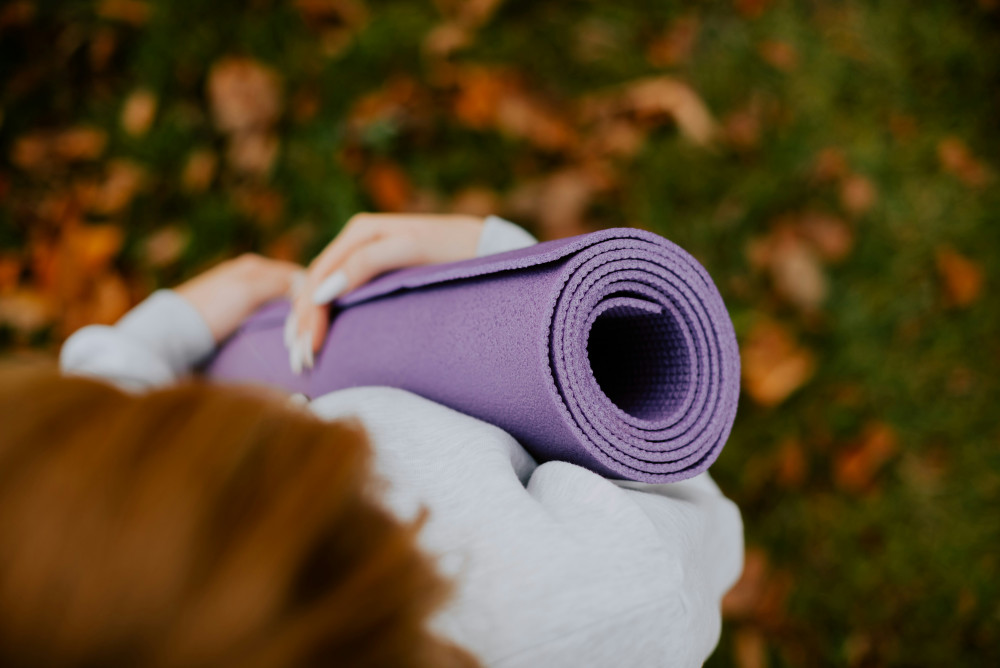
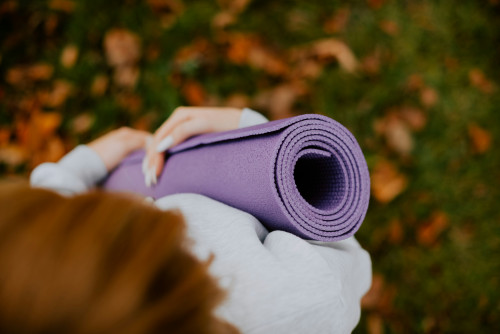
You don’t need prior yoga experience or fancy equipment to begin. Find a quiet space, roll out a mat, and set aside 15–20 minutes after your workout. You can follow a short online gentle yoga video or simply choose a few poses you enjoy. The key is to move slowly, breathe deeply, and listen to your body.
If you train regularly, try adding gentle yoga two or three times a week. Over time, you may notice faster recovery, better sleep, and a greater sense of balance in both body and mind.
Læs også:

A Calm Path to Better Results
Gentle yoga isn’t a replacement for rest — it’s a complement that helps your body recover naturally. By combining movement with mindfulness, you create a more holistic approach to fitness, where recovery becomes not just a necessity but an essential part of your progress.
Læs også: