Create Your Own At-Home Yoga Routine – Easy and Motivating

Create Your Own At-Home Yoga Routine – Easy and Motivating
Practicing yoga doesn’t have to mean joining an expensive studio or committing to long classes. With a little space, a mat, and a bit of structure, you can create a yoga routine that fits perfectly into your daily life. Whether you’re a beginner or more experienced, the key is to find a rhythm that feels natural, motivating, and easy to stick with.
Start with Your “Why”
Before you roll out your mat, take a moment to think about why you want to practice yoga. Is it to build strength, improve flexibility, reduce stress, or simply find a few minutes of calm in your day? Knowing your purpose helps you choose the right poses and structure for your routine.
Write your goal down and keep it visible as a reminder. It can be as simple as: “I want to start my mornings with focus and calm” or “I want to strengthen my back and shoulders.” When motivation dips, reconnecting with your “why” can help you stay consistent.
Create a Peaceful Space
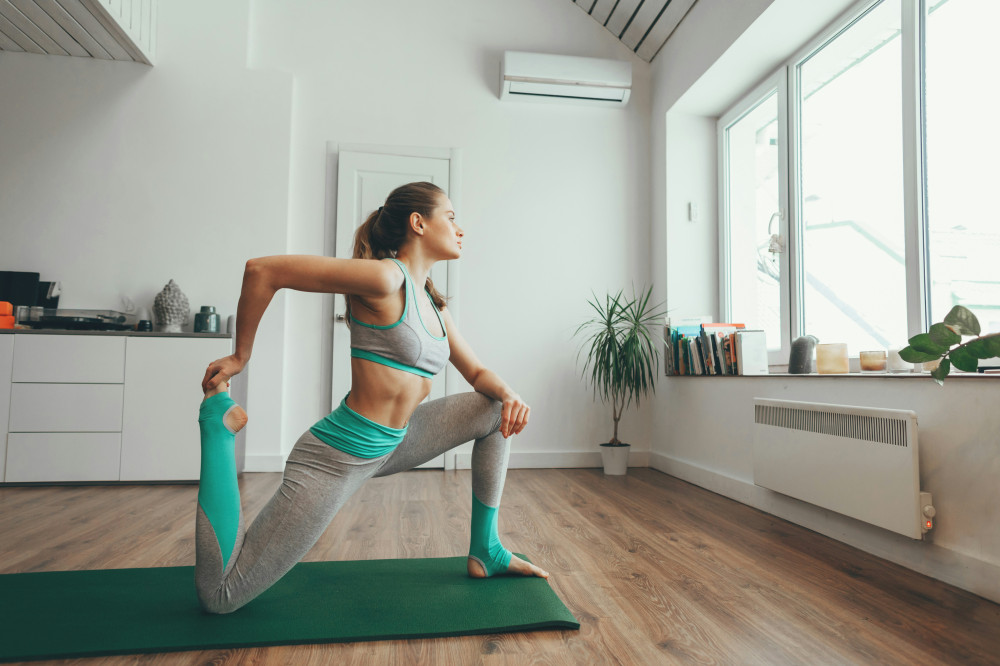
You don’t need a dedicated yoga studio at home, but having a consistent spot makes it easier to get started. Choose a quiet corner where you can move freely and won’t be interrupted. Add a few calming touches—a candle, a plant, or soft lighting—to make the space inviting.
Silence your phone, take a deep breath, and give yourself permission to be fully present. Yoga is as much about mindfulness as it is about movement.
Build Your Routine Step by Step
A good yoga session doesn’t have to last an hour. What matters most is regularity. Start with 10–15 minutes a few times a week and build from there. Here’s a simple structure to get you going:
- Begin with breathing (2–3 minutes) – Sit comfortably and focus on slow, steady breaths through your nose. This helps you settle into your body.
- Warm up (3–5 minutes) – Gently move your shoulders, neck, and spine. Cat-cow stretches or light twists are great for waking up your muscles.
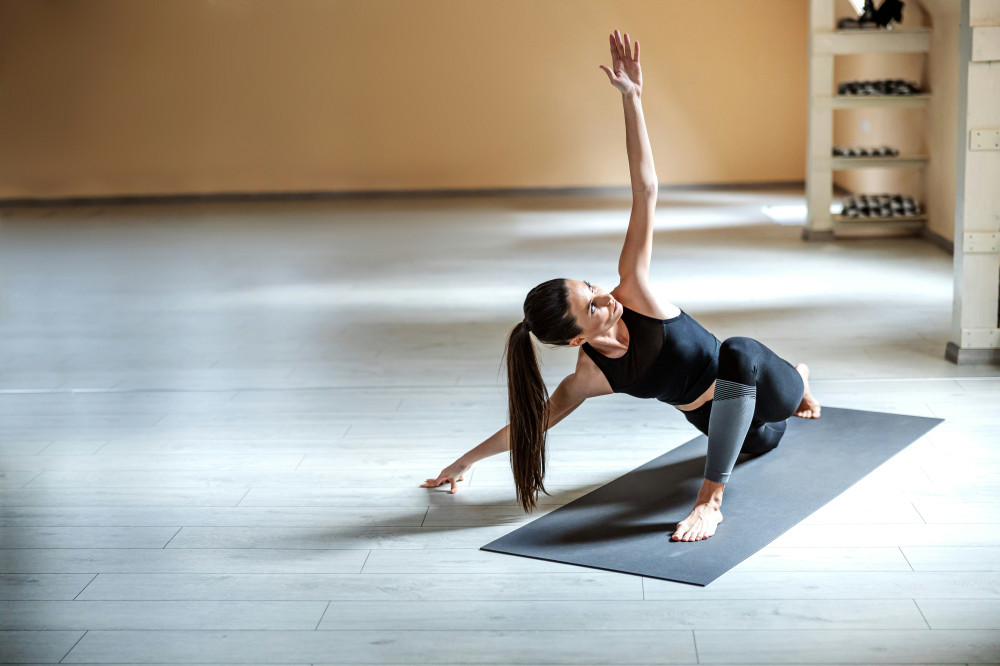
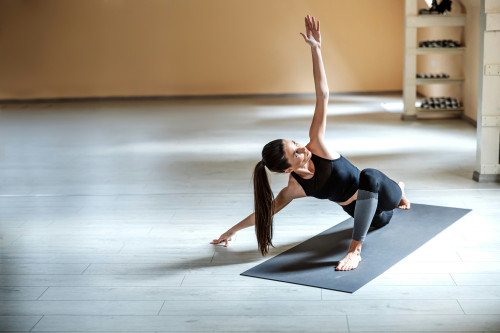
- Standing poses (5–10 minutes) – Try warrior poses, sun salutations, or tree pose to build balance and strength.
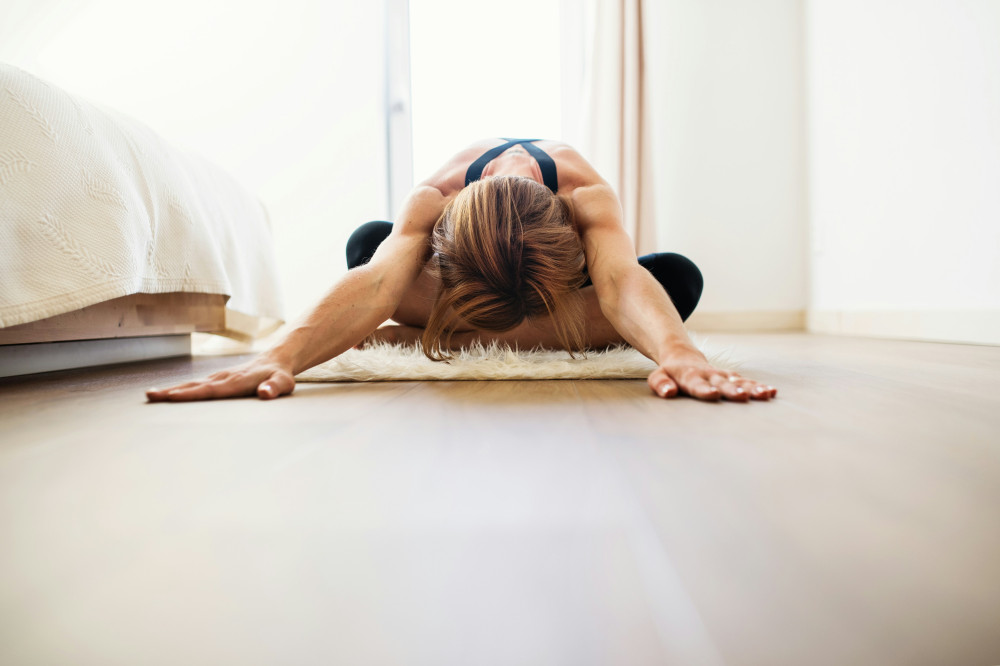
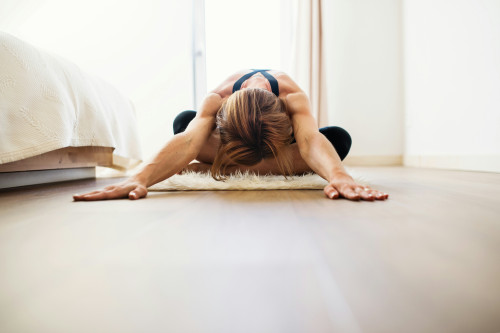
- Cool down (5 minutes) – Lie on your back in savasana (relaxation pose) and let your body fully unwind.
Once you’ve found a rhythm, you can create themed sessions—morning energizers, evening relaxation, or strength-focused flows.
Use Props and Online Resources
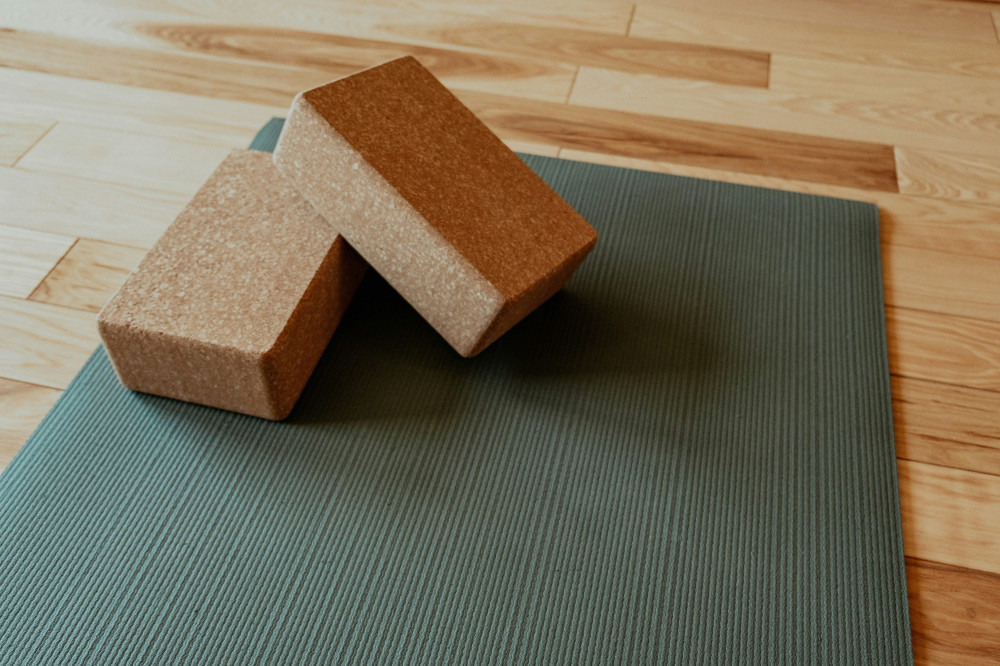
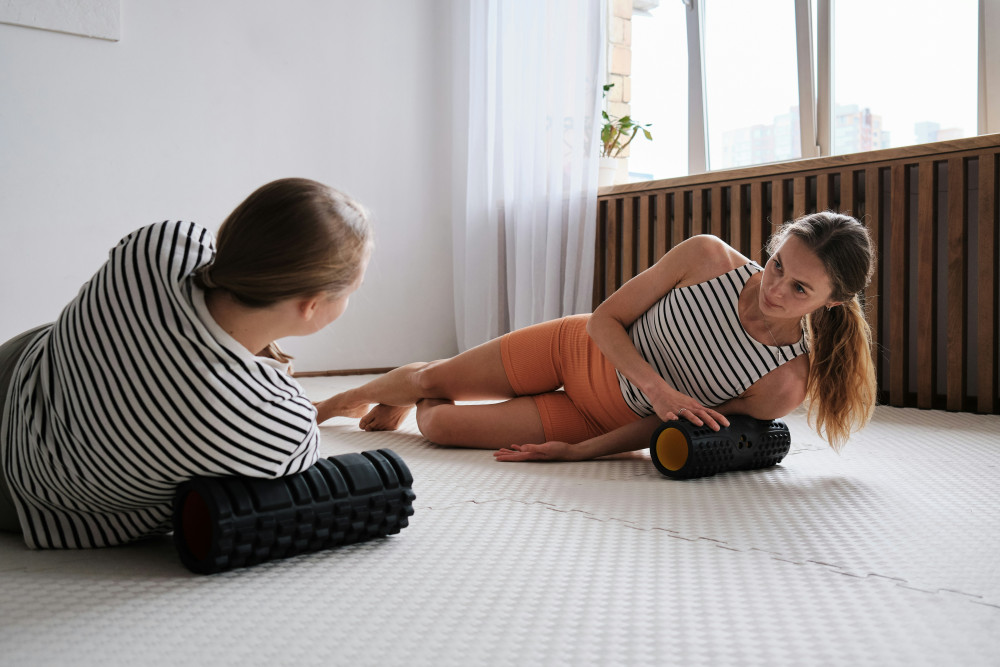
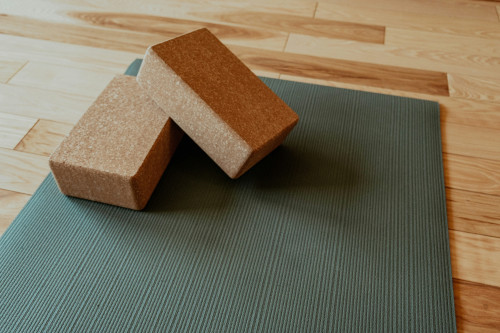
There are countless free videos, apps, and online classes that can guide you through yoga routines for every level. Use them for inspiration, but always listen to your body and move at your own pace. Simple props like a yoga block, strap, or folded blanket can make poses more accessible and comfortable.
If you’re new to yoga, start with short beginner-friendly videos that emphasize proper alignment to avoid strain or injury.
Læs også:
Make It a Habit
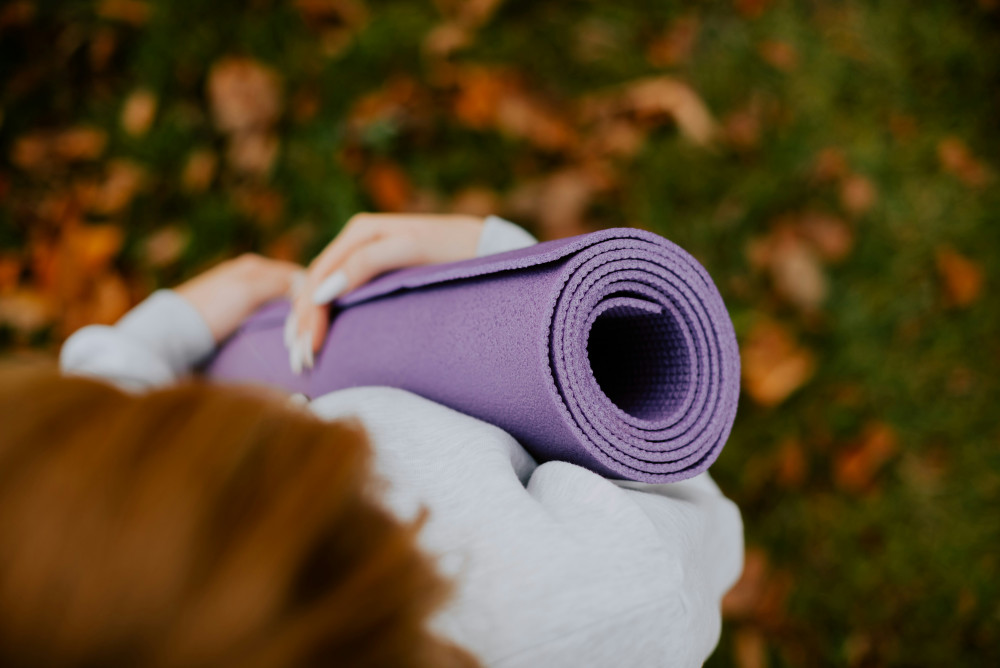
It’s easy to skip yoga when you only do it “if you have time.” Instead, schedule it as a regular part of your day—maybe in the morning before work or in the evening before bed. Create a small ritual around it: light a candle, roll out your mat, and play calming music. The more you associate yoga with something enjoyable, the easier it becomes to maintain the habit.
Listen to Your Body – and Be Patient
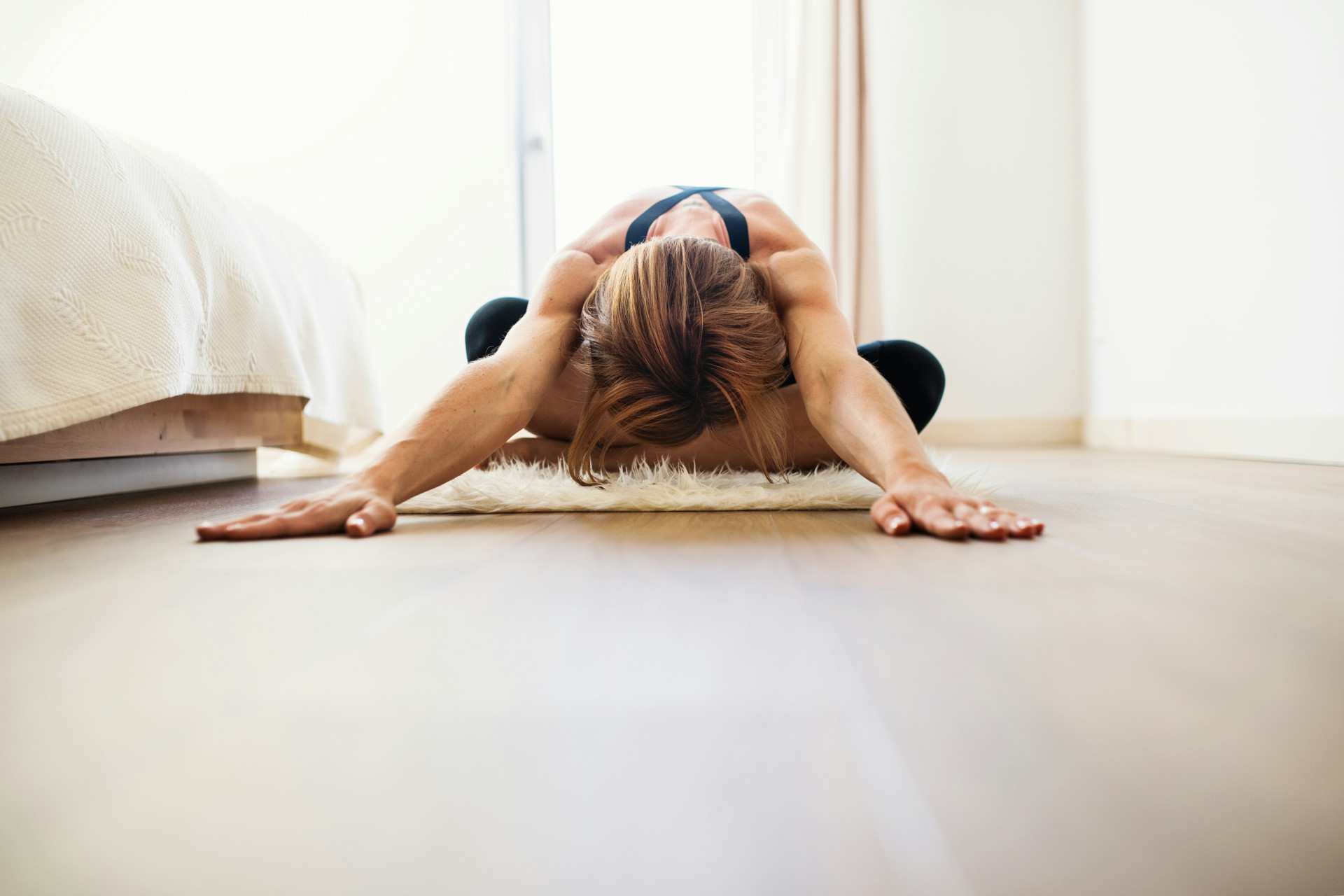
Yoga isn’t about perfection or performance. Some days your body will feel strong and flexible; other days, not so much—and that’s completely normal. Don’t push yourself into poses that cause pain. Use your breath as your guide and let your practice evolve naturally.
Over time, you’ll notice that both your body and mind become more flexible—not because you forced them, but because you gave them space to grow.
Make Yoga Your Own
There’s no single “right” way to practice yoga. Some people love dynamic flows, while others prefer slow, restorative sessions. The most important thing is to find what feels good for you and fits your lifestyle.
When yoga becomes a natural part of your routine, it’s more than just exercise—it’s a moment of calm, strength, and balance in the middle of everyday life.
Læs også: