Sport-Specific Hydration – Drink Right for Your Workout


Sport-Specific Hydration – Drink Right for Your Workout
Water is the body’s most essential nutrient—but how much and what you should drink depends on how you move. A long run on a hot summer day places very different demands on your fluid balance than a calm yoga session or an hour of strength training at the gym. Here’s a guide to help you tailor your hydration to your workout so you can perform better and recover faster.
Why Hydration Matters
When you exercise, your body temperature rises, and you sweat to cool down. With sweat, you lose not only water but also electrolytes—especially sodium and potassium—that are vital for muscle and nerve function. Even a fluid loss of just 2% of your body weight can lead to fatigue, reduced focus, and lower performance.
Good hydration isn’t just about drinking a lot—it’s about drinking smartly before, during, and after your workout.
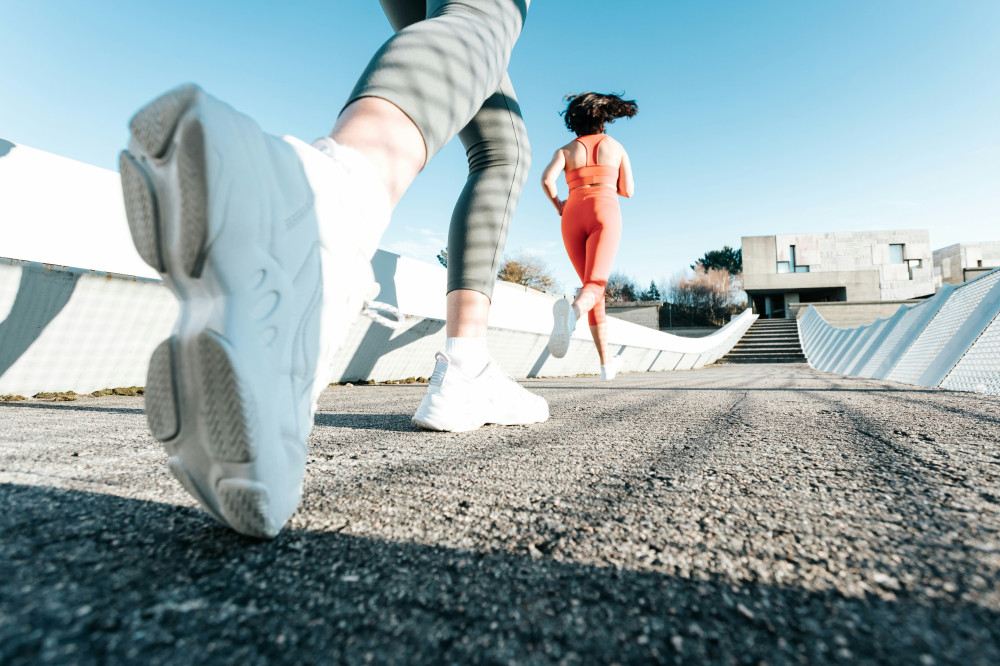
Running and Endurance Training – Plan Your Fluids Like You Plan Your Route
For running, cycling, and other endurance sports, fluid loss can be significant, especially in warm or humid conditions. The key is to start well-hydrated and replenish as you go.
- Before exercise: Drink about 12–20 oz of water 1–2 hours before your workout. This gives your body time to absorb the fluid.
- During exercise: For sessions lasting more than 45–60 minutes, sip small amounts regularly—around 4–8 oz every 15–20 minutes. For longer workouts, a sports drink with electrolytes and some carbohydrates can help maintain energy and fluid balance.
- After exercise: Weigh yourself before and after training to estimate fluid loss. For every pound lost, drink about 16–24 oz of fluid to rehydrate fully.
A good tip is to practice your hydration strategy during training so you know what works for your body before race day.
Strength Training – Support Muscle Recovery
Strength training usually doesn’t cause as much fluid loss as endurance sports, but hydration still plays a key role in muscle function and recovery.
- Before exercise: Stay well-hydrated throughout the day—dark urine is a sign you need more fluids.
- During exercise: Drink according to thirst, typically 4–8 oz between sets or exercises.
- After exercise: Combine fluids with protein and carbohydrates to support muscle repair. A glass of milk or a smoothie can be a great choice.
If you train in a warm gym or sweat heavily, consider a drink with a bit of sodium to replace lost electrolytes.
Team Sports and High-Intensity Workouts – Small Sips, Big Impact
CrossFit, HIIT, and other high-intensity workouts get your heart rate up and make you sweat fast. It can be tough to drink during these sessions, but small sips can make a big difference.
- Before exercise: Drink 8–10 oz of water about 30 minutes before starting.
- During exercise: Take small sips during short breaks—too much at once can cause discomfort.
- After exercise: Rehydrate quickly, especially if you plan to train again within 24 hours.
A sports drink with electrolytes can be helpful, but for most people, water and a salty snack afterward are enough.
Yoga, Pilates, and Low-Intensity Training – Listen to Your Body
For lower-intensity activities like yoga, Pilates, or light strength work, fluid loss is smaller, but hydration still matters. The goal here is to maintain a steady fluid intake throughout the day.
Drink a glass of water before class and take a few sips if you feel thirsty. Afterward, enjoy water, herbal tea, or water with a splash of lemon—it’s as much about comfort as it is about physiology.
Læs også:


How to Tell If You’re Hydrated Enough
A simple way to check your hydration is to look at your urine: pale and clear means you’re well-hydrated, while dark and concentrated indicates you need more fluids. You can also monitor your body weight—large day-to-day changes may signal fluid loss during workouts.
Remember, hydration needs vary from person to person. Factors like gender, age, temperature, intensity, and sweat rate all play a role. The key is to find a routine that fits your body and your training style.
Make Hydration Part of Your Training Strategy
Drinking right is part of training smart. It’s not just about avoiding dehydration—it’s about giving your body the best conditions to perform and recover. Whether you’re running a marathon, lifting weights, or practicing yoga, fluids are a cornerstone of both performance and well-being.
So next time you pack your gym bag, remember: your water bottle is just as important as your shoes.
Læs også: