Recovery at Home: Simple Ways to Relax and Move Gently

Recovery at Home: Simple Ways to Relax and Move Gently
Recovery isn’t just about doing nothing—it’s about giving your body and mind the space to recharge. In a busy American lifestyle filled with work, screens, and constant activity, finding time to rest can feel impossible. The good news is that recovery doesn’t require a gym membership or a spa day. With a few simple habits, you can create calm, move gently, and restore your energy right at home.
Create a Calm Space
Before you start, set up an environment that helps you unwind. It doesn’t have to be fancy—just a spot where you can be undisturbed for a few minutes.
- Silence your phone and turn off notifications.
- Dim the lights or light a candle.
- Lay out a yoga mat, blanket, or cushion.
A calm space signals to your body that it’s time to shift from “go mode” to “rest mode,” something many of us forget to do in our fast-paced days.
Gentle Movement to Loosen the Body
Recovery doesn’t mean total stillness. Gentle movement can actually help your muscles recover faster and ease tension.
- Light stretching: Slowly stretch your arms, legs, and back, holding each stretch for 20–30 seconds. Focus on steady breathing.
- Short walks: A relaxed walk around your neighborhood or a nearby park boosts circulation and helps release built-up tension.
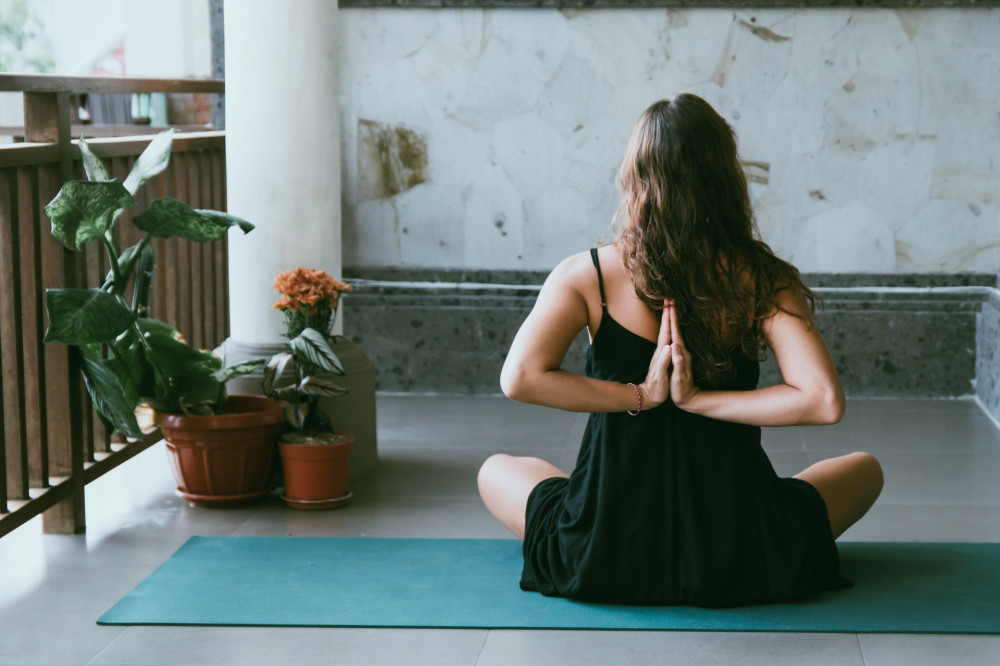
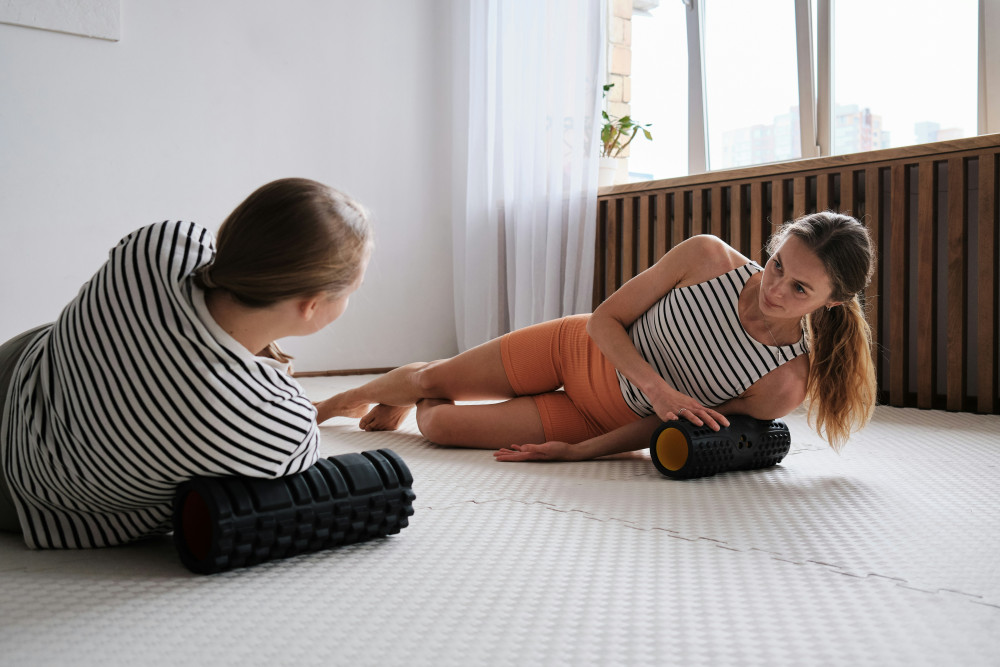
- Gentle yoga or mobility work: Simple poses like cat-cow, child’s pose, or hip circles can help your body feel lighter and more open.
The key is to move in a way that feels good—no pushing, no strain, just ease.
Use Your Breath as a Tool
Your breath is one of the most powerful ways to calm your nervous system. Try this simple breathing exercise:
- Sit or lie down comfortably.
- Inhale through your nose for four seconds.
- Hold your breath briefly.
- Exhale slowly through your mouth for six seconds.
Repeat for a few minutes. You’ll likely notice your heart rate slowing and your mind becoming quieter. This exercise works well after a workout, before bed, or anytime you need a quick reset.
Læs også:



Active Recovery Throughout the Day
Recovery doesn’t have to happen all at once. You can build it into your daily routine through small, mindful breaks.
- Stand up and stretch every hour.
- Take a few deep breaths between tasks.
- Listen to calming music or nature sounds for five minutes.
- Drink a glass of water and check in with how your body feels.
These short pauses may seem minor, but they help prevent stress and tension from building up.
Sleep – The Foundation of Recovery
No recovery plan is complete without quality sleep. During sleep, your body repairs muscles, balances hormones, and restores energy. Aim for consistent bedtimes, a cool and dark bedroom, and a screen-free wind-down period before bed.
If you struggle to fall asleep, try a simple relaxation technique: tense and release each muscle group from your feet up to your face. This helps your body let go of the day’s tension.
Making Recovery Part of Everyday Life
Recovery isn’t just for athletes—it’s a lifestyle habit that supports both body and mind. When you regularly give yourself time for rest and gentle movement, you build resilience and maintain your energy for the things that matter most.
Start small: five minutes of deep breathing, a short walk after work, or a few stretches before bed. Over time, you’ll find that recovery isn’t a luxury—it’s an essential part of feeling well and living fully.
Læs også: