Foam Rolling or Massage? Important Differences You Should Know


Foam Rolling or Massage? Important Differences You Should Know
After a tough workout, it’s tempting to grab your foam roller or book a massage appointment. Both promise to ease sore muscles, improve recovery, and help you feel your best—but they work in different ways. To choose the right approach, it’s important to understand what’s actually happening in your body and when one method might be more effective than the other.
What Is Foam Rolling?
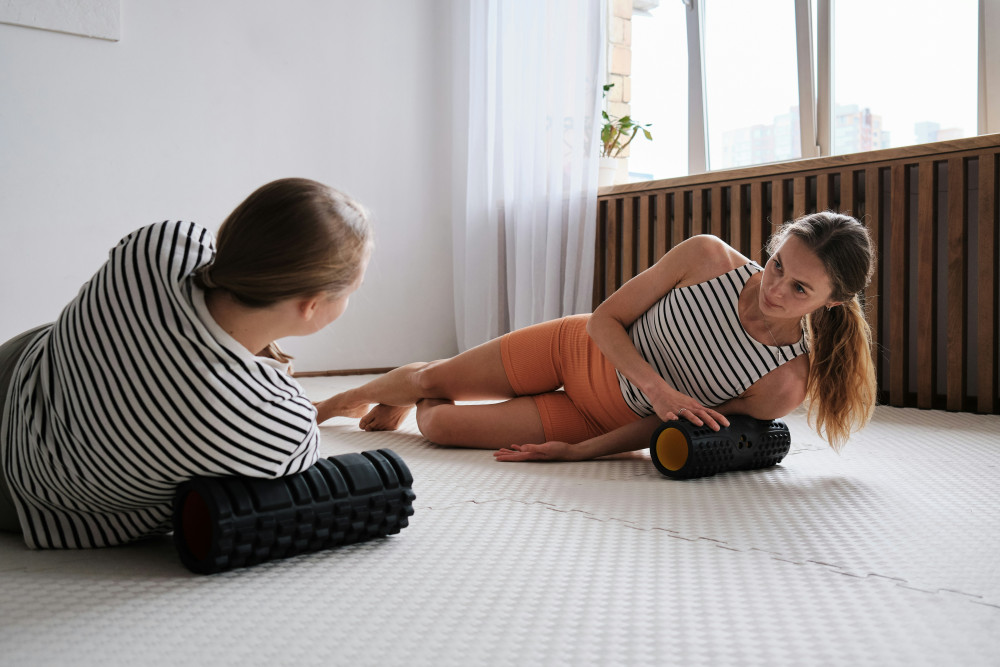
Foam rolling, also known as self-myofascial release, is a technique where you use your own body weight to roll over a foam cylinder. The goal is to release tension in the fascia—the connective tissue surrounding your muscles—and to increase blood flow. Many athletes and fitness enthusiasts in the U.S. use foam rolling as part of their warm-up or cool-down routine to reduce tightness and improve mobility.
Common benefits of foam rolling include:
- Improved flexibility and range of motion
- Temporary relief from muscle soreness (DOMS)
- Better body awareness and control
Foam rolling can feel uncomfortable, especially if your muscles are tight. It also requires you to control the pressure and technique yourself, which can take some practice to master.
How Massage Works Differently
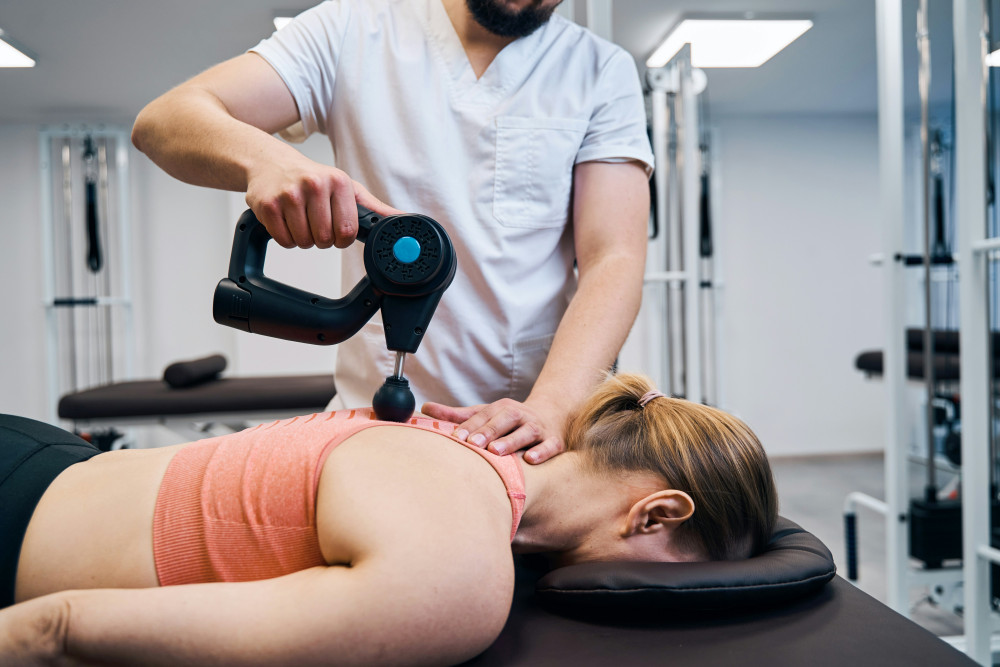
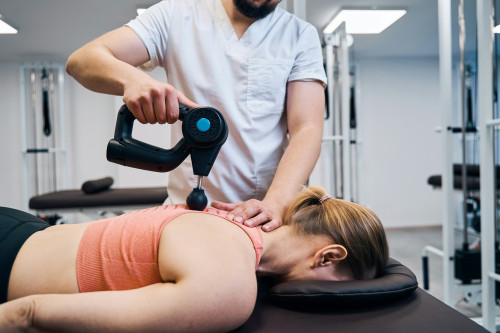
Massage is performed by a trained therapist who uses hands, elbows, or tools to manipulate muscles and soft tissue. While foam rolling mainly affects surface-level areas, a skilled massage therapist can target deeper layers and specific problem spots. Massage also has a calming effect on the nervous system, helping your body relax and recover more fully.
Typical benefits of massage include:
- Deep relaxation and stress reduction
- Improved circulation and lymphatic flow
- Relief from chronic tension or injuries
Massage, however, requires time, scheduling, and often a financial investment. In return, it offers a more comprehensive recovery experience that benefits both body and mind.
Læs også:



When to Choose Which
The choice between foam rolling and massage depends on your needs, schedule, and budget.
- For daily maintenance: Foam rolling is ideal for quick, self-directed care. Use it before workouts to activate muscles or afterward to release tension.
- For persistent tightness or injury: Massage may be more effective when you need deeper treatment or professional assessment.
- As a combination: Many people use both—foam rolling for everyday upkeep and massage for more thorough recovery sessions.
The key is to listen to your body. If you experience pain that doesn’t improve, consult a physical therapist or healthcare professional.
How to Get the Most Out of Foam Rolling
To make foam rolling effective, focus on technique and timing. Roll slowly over each muscle group, pausing for 20–30 seconds on tender spots. Avoid rolling directly over joints or bones, and keep sessions short—about 5–10 minutes is usually enough.
A good time to foam roll is after your workout, when your muscles are still warm. This can help reduce stiffness and support recovery.
Massage as Part of a Holistic Recovery Plan
Massage should be seen as part of a broader recovery strategy that includes sleep, nutrition, and active rest. Regular massage can help prevent overuse injuries and improve posture, especially if you train frequently or spend long hours sitting at a desk.
Some people choose sports massage to target specific muscle groups, while others prefer a more relaxing style for stress relief. Both can be beneficial, depending on your goals.
Conclusion: Two Paths to the Same Goal
Both foam rolling and massage can help you recover better and maintain a healthy, balanced body. Foam rolling offers flexibility and control in your daily routine, while massage provides deeper treatment and mental relaxation. The best approach is often a combination—using foam rolling as a regular self-care tool and massage as a supportive treatment when your body needs extra attention.
Læs også: